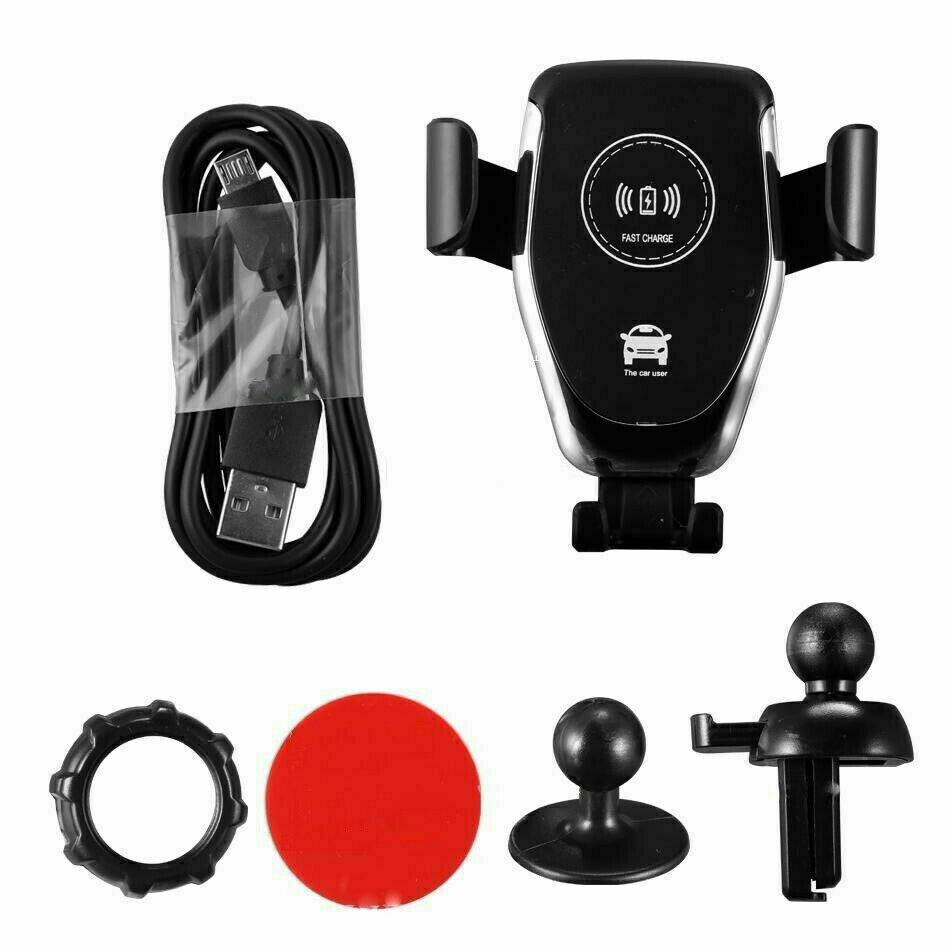
Selecting the right tool charger can significantly impact your productivity and efficiency on the job. The choice between fast and standard charging options is not merely a matter of preference; it can determine how quickly you can get back to work and the longevity of your tools. Understanding the nuances of each type will empower you to make an informed decision that aligns with your needs.
Fast Chargers: Speed and Efficiency
Fast chargers are designed for those who crave speed and efficiency. Imagine being in the middle of a project when your tool runs out of battery. With a fast charger, you can plug in and get back to work in a matter of minutes, rather than waiting hours for a standard charger to do its job. This is especially beneficial for professionals who work on tight deadlines or in environments where time is of the essence.
Fast chargers often feature advanced technology that allows them to deliver a higher voltage, ensuring your tools are powered up and ready to go with minimal downtime.
Standard Chargers: Longevity and Affordability
On the other hand, standard chargers have their own set of advantages that are worth considering. These chargers typically offer a more gradual charging process, which can be gentler on your tool’s battery life. If you’re not in a rush and prefer a charger that prolongs the lifespan of your tools, a standard charger might be the right choice for you.
- More affordable
- Great option for hobbyists or those who use their tools less frequently
Choosing the Right Charger for Your Needs
When choosing between fast and standard charging, think about your workflow and how often you use your tools. If you frequently find yourself in situations where every minute counts, investing in a fast charger can be a game-changer. However, if your usage is sporadic or you prioritize battery longevity, a standard charger could be more suitable.
Compatibility Matters
Consider also the compatibility of chargers with your tools. Not all chargers work with every tool brand or model, so it’s crucial to ensure that the charger you select is designed for your specific equipment. Investing in the right charger not only optimizes performance but also enhances safety, reducing the risk of damage to your tools.
Conclusion
Ultimately, the decision between fast and standard charging boils down to your individual needs and preferences. Fast chargers provide the advantage of quick turnaround times, perfect for professionals who demand efficiency. Standard chargers, while slower, offer a more sustainable approach to battery maintenance. Whichever option you choose, making an informed decision will enhance your tool experience, ensuring you stay productive and efficient in all your projects.
Related products
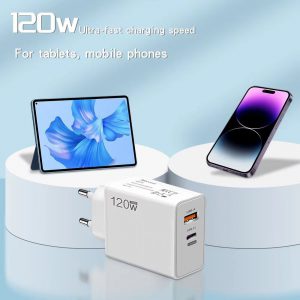
Fast Charging European and American Standard Mobile Phone Charger – UK Compatible
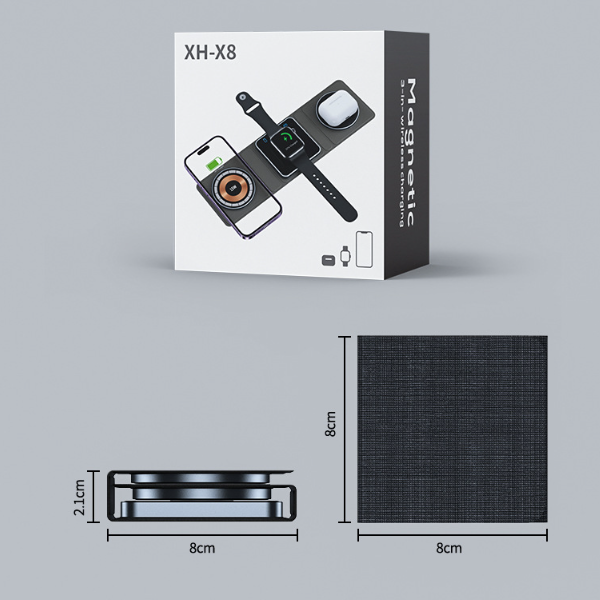
3-in-1 Magnetic Folding Wireless Charger Station for iPhone – Fast Charging for iWatch & AirPods with Transparent Design
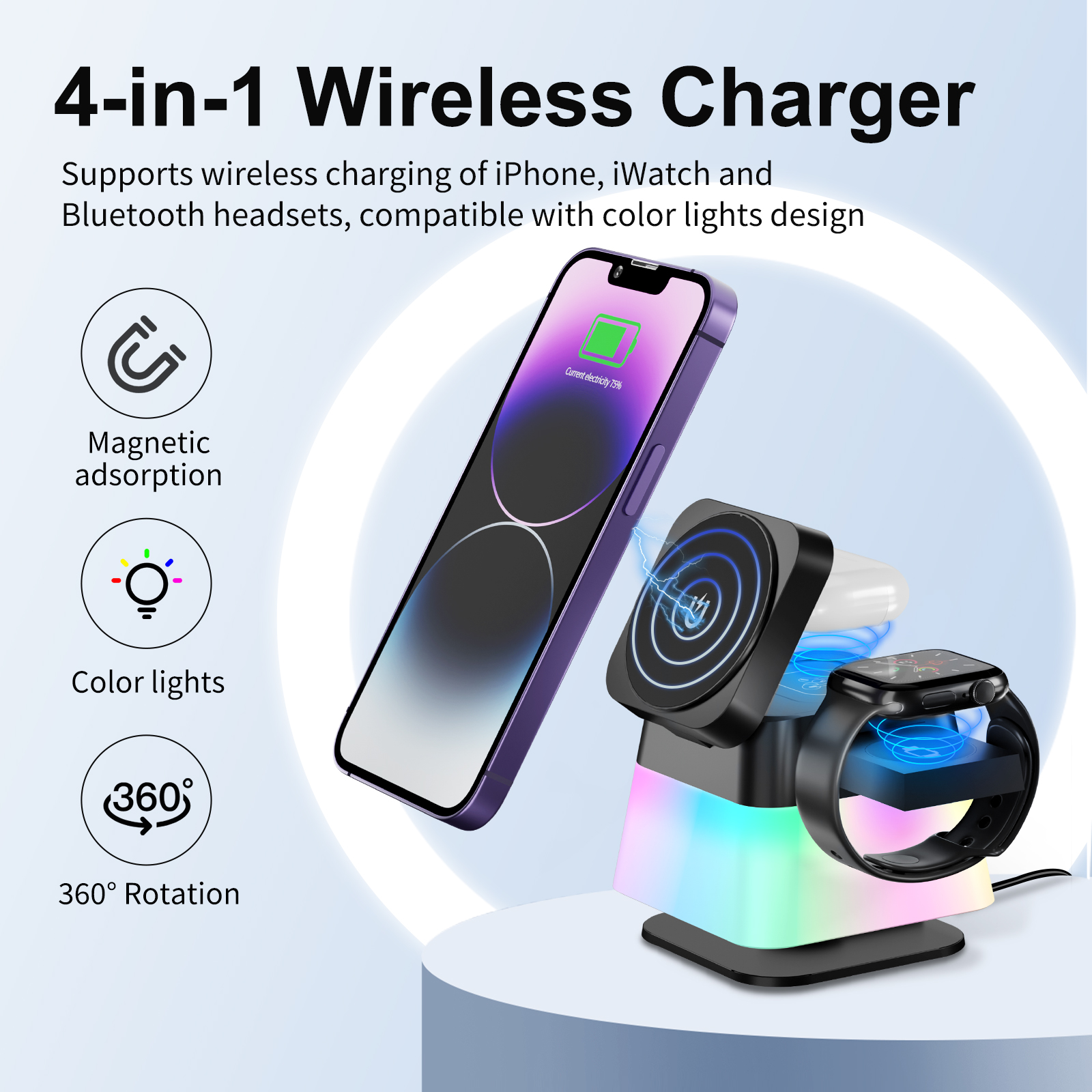
4-in-1 Rotatable Colorful Wireless Charger Stand for iPhone 15/14/13/12 Pro Max/8/7 – Fast Magnetic Charging Station Holder