When it comes to building strength and enhancing your fitness journey, selecting the right weight plates can significantly impact your workout experience. Bumper plates and iron plates each come with their unique benefits and drawbacks, making the decision a crucial one for both beginners and seasoned athletes alike.
Bumper Plates
Bumper plates are crafted from dense rubber, designed to withstand the rigors of dropping from overhead lifts. Their durability ensures they can take a beating, making them ideal for Olympic lifts and CrossFit workouts. The standout feature of bumper plates is their safety; dropping them from height poses a lesser risk of damage to your floor or equipment compared to iron plates. This makes them a smart investment for home gyms or commercial settings where noise and potential damage are concerns.
- Durable and shock-absorbing
- Safer for dynamic movements
- Vibrant colors and minimalistic design
Iron Plates
On the flip side, iron plates boast a classic appeal and provide a more traditional weightlifting experience. Made from solid metal, they are compact and can fit more weight into a smaller area, making them a popular choice for powerlifters and those focusing on strength training. The precise and consistent weight of iron plates can also help you track your progress more accurately, as they are often available in smaller increments compared to bumper plates.
- Compact design for space efficiency
- More cost-effective
- Accurate weight tracking
Choosing the Right Plates
Choosing between bumper and iron plates ultimately hinges on your workout goals and preferences. If you’re focused on Olympic lifts or high-intensity training that involves dropping weights, bumper plates should be at the top of your list. Their shock-absorbing properties make them a safer choice for dynamic movements. Conversely, if you’re looking to build raw strength and prefer lifting in a controlled environment, iron plates will serve you well.
Consider Your Workout Environment
Consider your workout environment, too. If you have a home gym with hardwood or tile flooring, bumper plates will be kinder to your space. For those training in a garage or basement with concrete floors, iron plates can withstand the wear and tear without much concern.
Conclusion
Ultimately, the best approach might be to incorporate both types into your routine. Having a set of bumper plates for dynamic lifts and a set of iron plates for strength training can provide a well-rounded arsenal for any fitness enthusiast.
In the end, understanding the differences between bumper and iron plates is about aligning your choices with your fitness goals. The right weight plates can elevate your training, enhance safety, and even add an element of enjoyment to your workouts. Choose wisely, and take your fitness journey to the next level!
Related products

Galvanized Iron Mouse Trap – Effective Mouse Control Bait Catcher | Prohibited Platform Amazon
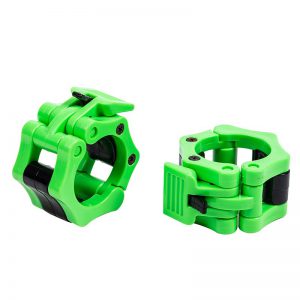
Quick Buckle Plate Frame Barbell for Weight Lifting – Durable Barbell Buckle
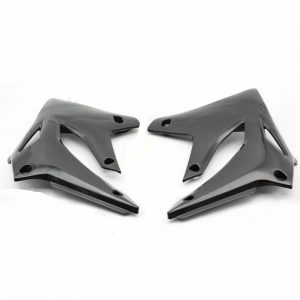
Fuel Tank Side Plate: Front Left and Right Plates for Optimal Performance