Choosing the right wood screws for your project can mean the difference between a sturdy finish and a frustrating failure. Understanding the nuances of length, head types, and coatings is essential for achieving the best results in woodworking.
Choosing the Right Length
First, consider the length of the screw. Selecting the appropriate length is critical to ensure a secure hold without compromising the integrity of the wood. A screw that’s too short may not provide enough grip, while one that’s too long can split the wood. Generally, the rule of thumb is to choose a screw that is at least twice as long as the thickness of the material you are fastening. For instance, if you’re joining two pieces of wood that are each 1 inch thick, a 2-inch screw is ideal.
Exploring Head Types
Next, explore the various head types available. Wood screws typically come with:
- Flat head: Perfect for applications requiring a flush finish.
- Round head: Offers a classic look and can be used when the screw head will be exposed.
- Pan head: Provides a slightly rounded top, useful for various applications.
If you desire a more decorative touch, consider using screws with a unique design or color that can enhance the overall aesthetics of your project. Choosing the right head type not only affects the functionality but also contributes to the visual appeal of your work.
Understanding Coatings
Coatings on wood screws are equally vital, as they determine durability and resistance to corrosion. For indoor projects, standard steel screws may suffice, but for outdoor applications or in humid environments, opt for:
- Galvanized screws: Provide a protective layer that helps prevent rust.
- Stainless steel screws: Offer excellent resistance to corrosion.
These coatings help extend the lifespan of the screw, ensuring your project remains intact for years to come. Additionally, specialty coatings like black oxide or epoxy can add an extra layer of protection while offering a distinctive look.
Conclusion
Incorporating the right screws into your woodworking project elevates the quality of your work. A well-chosen screw not only enhances structural integrity but also showcases attention to detail. By understanding the importance of length, head types, and coatings, you can confidently select the perfect wood screws for your needs. Whether you are a seasoned carpenter or a weekend DIY enthusiast, these insights will help you achieve professional-grade results every time. Don’t settle for less—equip yourself with the knowledge to make informed decisions and elevate your craftsmanship!
Related products
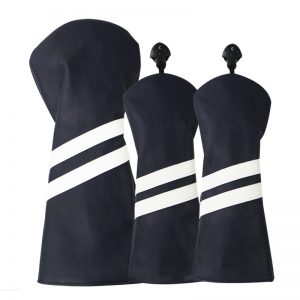
Premium Wood Club Head Cover with Double Stripe Design – Perfect Fit for Your Clubs
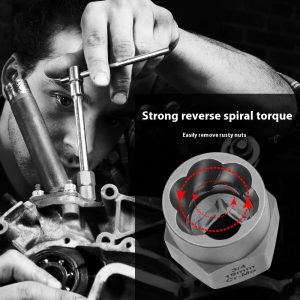
Reverse Tooth Sleeve Rust Damage Screw Extractor – Effortlessly Remove Stuck Screws
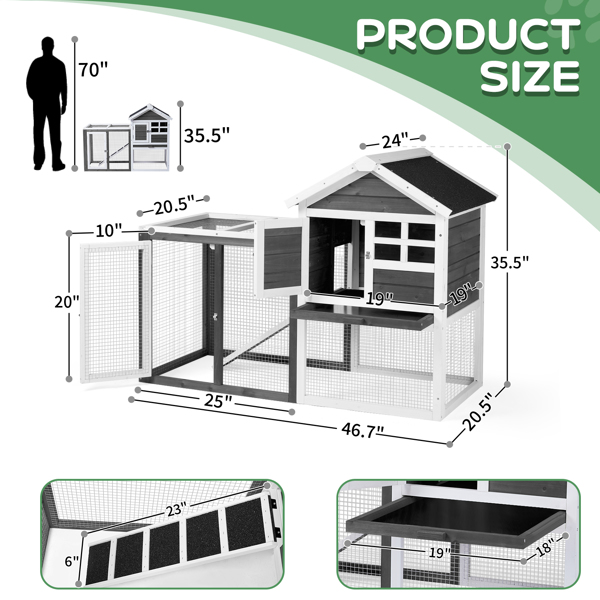
Gray Fir Wood House Type Chicken and Rabbit Cage with Ladder – Durable & Stylish