Finding the right yoga blocks can transform your practice, especially when dealing with tight hips. Whether you’re a seasoned yogi or just starting out, the right support can make a world of difference. Imagine gliding effortlessly into poses that once felt out of reach. With the right yoga blocks, you can achieve deeper stretches, maintain proper alignment, and unlock new levels of flexibility.
Choosing the Right Material
When selecting yoga blocks for tight hips, consider the material:
- Foam blocks are lightweight and often softer, providing a gentle touch for sensitive areas.
- Cork blocks, on the other hand, offer sturdiness and stability, ideal for those who prefer a firmer support.
Each material has its unique benefits, so think about what feels best for your body. For instance, if you enjoy a more natural feel, cork might be your go-to. If you’re looking for something more forgiving, foam could be your best bet.
Size Matters
Size is another critical factor. Standard yoga blocks are typically 9 x 6 x 4 inches, but they come in various sizes to accommodate different body types and poses. Taller blocks can be particularly beneficial for individuals with tighter hips, as they provide extra height to help ease into poses like forward bends or seated stretches. Choose blocks that offer the right elevation to enhance your comfort and alignment.
Block Shape and Design
Don’t overlook the shape of the block. Some blocks feature:
- Rounded edges, making them easier to grip during practice.
- Flat tops, which provide a stable surface for balancing poses.
Consider how you plan to use the blocks and choose the shape that complements your style. You might find that a combination of block shapes offers the best support for your diverse practice.
Aesthetics and Motivation
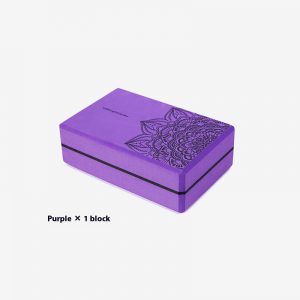
Aesthetics can also play a role in your selection. A visually appealing yoga block can inspire you to roll out your mat more often. Many blocks come in a variety of colors and patterns, allowing you to express your personality while enhancing your practice. Choose blocks that resonate with you visually—this little detail can boost your motivation to maintain a consistent practice.
Price and Durability
Lastly, don’t forget about price and durability. Investing in high-quality yoga blocks ensures they will withstand the wear and tear of regular use. While it might be tempting to opt for the cheapest option, consider the long-term benefits of a durable product. A well-made block not only provides better support but also enhances your overall yoga experience.
Conclusion
In conclusion, choosing the right yoga blocks for tight hips involves a thoughtful approach to material, size, shape, aesthetics, and durability. By selecting blocks that cater to your specific needs, you can enhance your practice, alleviate discomfort, and open the door to new possibilities in your yoga journey. Explore your options, and get ready to experience the transformative power of support on your mat!