Choosing the right yoga block can significantly enhance your practice, providing the support and stability needed for various poses. With an array of options available, understanding the differences between foam, cork, and wood blocks can help you make an informed decision tailored to your unique needs.
Types of Yoga Blocks
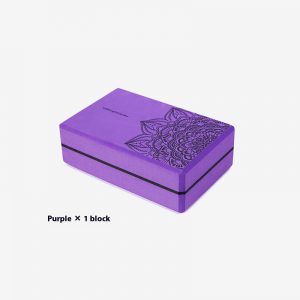
Foam Yoga Blocks
Foam yoga blocks are often the go-to choice for beginners and those seeking a lightweight, versatile option. Their soft, cushioned surface offers a forgiving touch that feels great against the skin, making them ideal for restorative practices or gentle stretches. The lightweight nature of foam blocks makes them easy to transport, allowing you to take your practice anywhere—whether it’s at home, in a studio, or outdoors.
- Affordability means you can invest in multiple blocks to enhance your practice without breaking the bank.
- Ideal for restorative practices or gentle stretches.
Cork Yoga Blocks
Cork blocks strike a perfect balance between sturdiness and comfort. These eco-friendly options offer a firm grip and stability that can make a significant difference in challenging poses. The natural texture of cork provides a non-slip surface, ensuring you can maintain your balance without fear of slipping.
- Cork is a sustainable choice that resonates with environmentally conscious yogis.
- The density of cork blocks means they can withstand the rigors of daily practice while adding an element of grounding to your sessions.
Wood Yoga Blocks
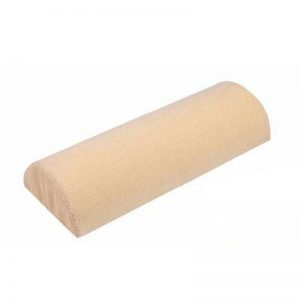
Wood yoga blocks exude elegance and durability, making them a favorite among advanced practitioners. The solid structure of wood provides unparalleled support, making it easier to achieve deep stretches and perfect alignment in poses.
- The weight of a wooden block offers stability, particularly in balancing poses, giving you the confidence to explore your limits.
- Aesthetically pleasing, wood blocks can elevate the look of your practice space, serving as a beautiful addition to your home decor.
Choosing the Right Block
When deciding between foam, cork, and wood, consider your level of experience, the type of yoga you practice, and personal preferences regarding weight and texture. If you’re just starting out, foam blocks may provide the comfort you need. For those looking to deepen their practice and engage with sustainable materials, cork is an excellent choice. Advanced yogis who prioritize strength and stability might lean towards the solid feel of wood.
Conclusion
Ultimately, the right yoga block can transform your practice, providing support, stability, and confidence. By understanding the unique benefits of foam, cork, and wood, you can choose a block that aligns with your needs, helping you to deepen your practice and reach your yoga goals. Make the investment today and experience the difference in your practice!