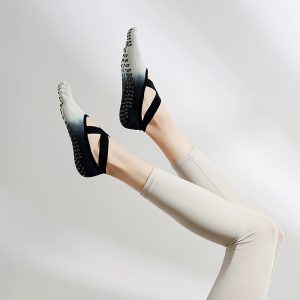
Finding the right yoga block can be a game changer for your practice, especially if you’ve ever experienced the frustration of a slipping block mid-pose. Imagine transitioning seamlessly through your sun salutations without worrying about your support sliding away. The surface of your yoga block plays a crucial role in providing that stability.
Choosing the Right Material
Start by considering the material of the yoga block. Foam blocks are lightweight and offer a good grip, but not all foam is created equal. Look for high-density foam that is designed to provide traction while still being soft enough to be comfortable against your body. This ensures that you won’t be distracted by discomfort as you focus on your alignment and breathing.
Another excellent option is cork. Cork yoga blocks are naturally slip-resistant due to their textured surface. They not only provide a solid grip but also have the added benefit of being eco-friendly. If sustainability is important to you, cork blocks can make a perfect addition to your yoga gear, allowing you to enhance your practice while caring for the planet.
Design Considerations
Don’t overlook the design of the block itself. A wider base can significantly increase stability, especially in challenging poses. Look for blocks with beveled edges, as these can enhance your grip and make it easier to hold onto the block securely.
- A non-slip surface is essential, so check for blocks that feature:
- Rubberized bottoms
- Textured surfaces that prevent sliding on the mat
Specific Needs
Consider your specific needs as well. If you frequently practice on hardwood or tile floors, a block with a more aggressive grip will help you maintain your balance. Conversely, if you practice on softer surfaces, a more cushioned block may be beneficial. Pay attention to how the block feels in your hands and under your feet; the right texture can make all the difference.
Test Before You Buy
Lastly, don’t be afraid to try before you buy. Many yoga studios or retailers offer demos of their products. Testing various blocks can give you a clearer understanding of what feels best for your practice. The right yoga block should feel secure, supportive, and stable—allowing you to focus on your breath and movement rather than the fear of slipping.
Conclusion
Choosing yoga blocks that don’t slip is an investment in your practice and well-being. By selecting the right material, design, and texture, you can ensure that your yoga experience remains fluid and enjoyable. Elevate your practice with confidence, knowing you have the stability and support you need to explore new depths in your yoga journey.
Related products
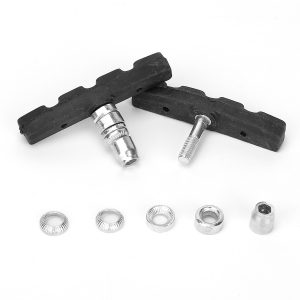
5 Pairs V Bike Brake Pads Set – 70mm Non-Slip V-Brake Blocks for Road & Mountain Bicycles with Hex Nuts and Spacers
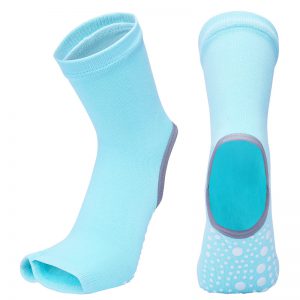
Women’s Non-Slip Yoga Socks for Enhanced Grip and Comfort
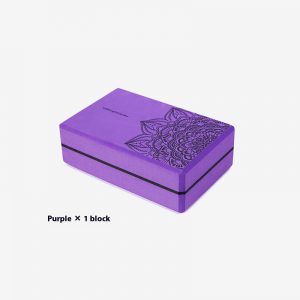
Premium High Density EVA Foam Yoga Block for Ultimate Support and Stability