
Finding the right yoga mat can be a game-changer, especially for those who experience joint issues. A mat that provides both cushion and grip can significantly enhance your practice, making each pose feel more comfortable and secure. With the right choice, you can enjoy your yoga sessions without worrying about aggravating your joints.
Consider the Thickness
First, consider the thickness of the mat. A thicker mat, typically around 5 to 8 mm, offers extra cushioning that can help alleviate pressure on sensitive joints like knees and wrists. This added padding provides a softer landing during poses, which is crucial for maintaining comfort and stability. Look for mats specifically designed for joint support; they often have extra cushioning built into their construction, allowing you to focus on your practice rather than discomfort.
Importance of Grip
Next, grip is paramount. A slippery mat can lead to misalignment and potential injury, especially for those with joint concerns. Opt for mats made from materials like natural rubber or high-quality PVC, as these materials generally provide superior grip. A textured surface is also beneficial, as it helps to prevent slipping, ensuring that you can hold your poses with confidence. This stability is essential for anyone dealing with joint pain, as it minimizes the risk of falling or straining.
Weight and Portability
Another aspect to consider is the mat’s weight and portability. If you plan to take your mat to classes or practice outdoors, look for a lightweight option that still offers the necessary cushioning and grip. Many brands now offer travel-friendly mats that don’t compromise on support. This way, you can maintain your practice wherever you go, ensuring consistency in your routine.
Maintenance Matters
Don’t forget about maintenance. A mat that is easy to clean and maintain will last longer and continue to provide the support you need. Look for mats that can be wiped down or washed easily, as this will keep your practice space hygienic and comfortable.
Personal Style and Preferences
Lastly, consider your personal style and preferences. Yoga mats come in a variety of colors and designs, allowing you to express yourself while also investing in your health. A mat that resonates with you aesthetically can enhance your motivation to practice regularly, creating a positive association with your yoga journey.
Conclusion
Choosing the right yoga mat for joint issues means investing in your well-being. By focusing on cushion and grip, you can create a supportive practice environment that encourages healing and strength. Take your time to explore different options, and don’t hesitate to seek recommendations from fellow practitioners or yoga instructors. The right mat is out there, waiting to elevate your practice and protect your joints.
Related products
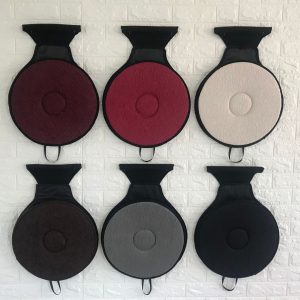
360-Degree Rotating Cushion Mats for Chair, Car, Office & Home – Breathable Seat Cushion for Ultimate Comfort

Cozy Dog Fleece Blanket & Cat Litter Mat – Soft Sleep Mat for Small & Large Dogs – Ideal Pet Cushion & Bedding Supplies
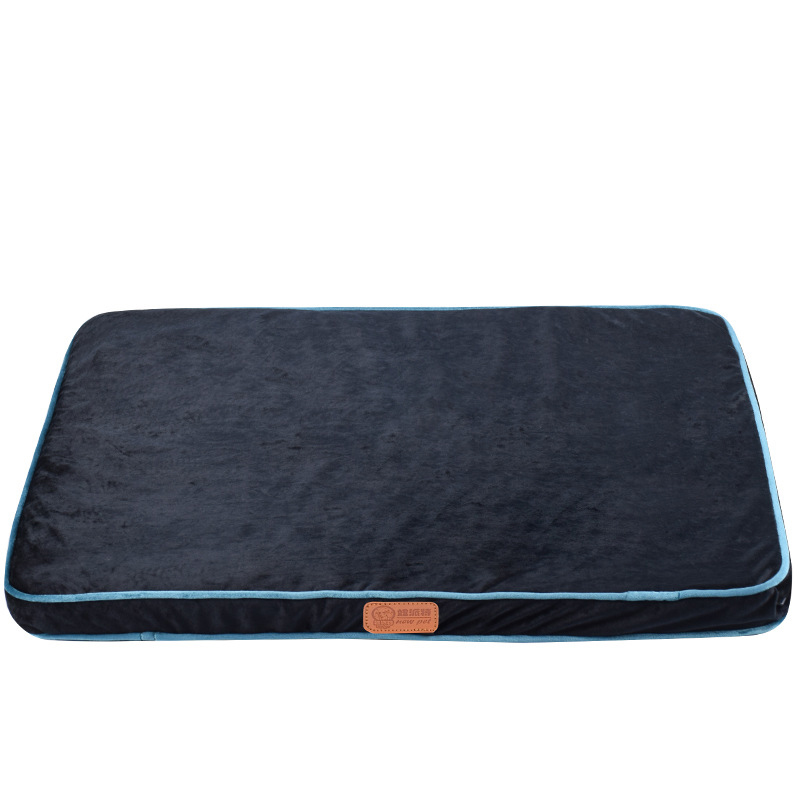
Non-Slip Pet Seat Cushion Mat for Ultimate Comfort and Stability