Rain can quickly turn your camping adventure into a soggy ordeal, but don’t let a wet tent dampen your spirits. Knowing how to dry a tent quickly after rain can save your trip and keep your gear in top shape. Follow this step-by-step guide to reclaim your dry haven and make the most out of your outdoor experience.
Choosing the Right Spot
Start by finding a suitable area to pitch your tent. Look for a sunny spot or a breezy location to facilitate drying. If you’re near a lake or river, avoid setting your tent too close to the water to prevent potential splashes. The right environment makes a world of difference in speeding up the drying process.
Taking Down the Tent
Once you’ve chosen the perfect spot, begin by taking the tent down carefully. Shake off excess water to avoid carrying extra weight. Be gentle; rough handling can damage the fabric or seams. Lay the tent out flat on a clean surface, ensuring it’s open and spread out completely to allow air to circulate.
Absorbing Remaining Moisture
Next, use a microfiber cloth or a sponge to dab at any remaining wet spots. This step helps absorb moisture without risking fabric damage. Focus on areas like the seams and corners, where water tends to accumulate. Remember, the less water you have to deal with, the quicker the drying process will be.
Using Tools to Speed Up Drying
For those in a hurry, consider using a portable fan or a battery-operated blower. These tools can significantly reduce drying time by increasing air circulation. Position the fan at one end of the tent and let it work its magic. If you’re camping with friends, take turns holding the fan or using a lightweight portable generator for power.
Hanging the Tent to Dry
If the weather permits, hang your tent to dry. Use a clothesline or set up a makeshift drying rack using poles or branches. This elevates your tent off the ground, allowing air to flow freely underneath. Plus, it’s a great way to keep your tent away from potential mud or dampness on the ground.
Drying Inner Components
Don’t forget about the inner components! Lay out your sleeping bags, mats, and gear in the sun or a well-ventilated area. This not only helps dry them out but also ensures that you’re not packing away damp items, which can lead to mildew and unpleasant odors.
Packing Up
Once everything is dry, pack your tent away carefully, ensuring all components are clean and free from debris. Use a storage bag that breathes to prevent moisture buildup during transport. Consider investing in a tent footprint or tarp to protect your tent from future rain, adding an extra layer of protection against the elements.
Conclusion
Knowing how to dry a tent quickly after rain not only enhances your camping experience but also prolongs the life of your gear. With a few simple steps and perhaps a handy gadget or two, you can turn a soggy setback into a minor inconvenience. So, gear up, stay dry, and embrace the great outdoors with confidence!
Related products
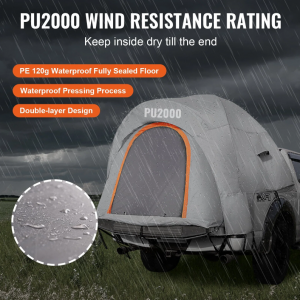
Truck Bed Tent for 5.5′-6′ Pickup Trucks – Waterproof PU2000mm Double Layer with Rain Layer & Carry Bag, Ideal for Camping, Accommodates 2-3 People for Outdoor Adventures
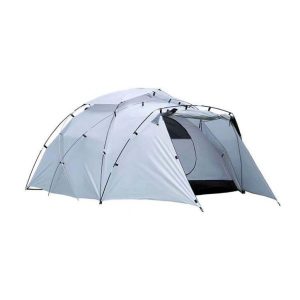
Premium Family Dome Tent with Weather-Resistant Rain Cover for Camping

Super Absorbent Dog Towel – Microfiber Quick Drying, Machine Washable with Hand Pockets for Medium & Large Dogs – Perfect Pet Towel for Fast Drying After Bath Time