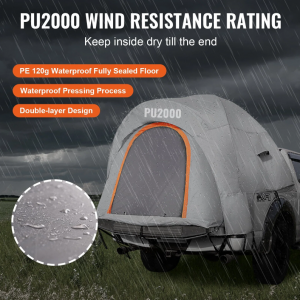
As the sun dips below the horizon and the chill of night sets in, ensuring your tent remains a cozy sanctuary is crucial for an enjoyable camping experience. The right layering techniques and setup strategies can transform your tent into a warm haven, allowing you to embrace the great outdoors without sacrificing comfort.
Insulated Sleeping Pad
Start with an insulated sleeping pad. This is your first line of defense against the cold ground. A high-quality, insulated pad not only cushions your body but also acts as a barrier to prevent heat loss. Brands like Therm-a-Rest or REI offer excellent options that combine comfort with thermal efficiency, ensuring you stay warm throughout the night.
Choosing the Right Sleeping Bag
Next, consider your sleeping bag. Opt for one rated for colder temperatures than you expect to encounter. Look for features like:
- A draft collar
- An insulated hood
These features help trap warmth. Down sleeping bags are lightweight and compressible, making them a favorite among seasoned campers, while synthetic bags provide excellent moisture resistance. Choose according to your needs, and don’t forget a liner for an extra layer of warmth.
Layering Your Clothing
Layering your clothing is equally important. Start with moisture-wicking base layers to keep sweat away from your body, followed by insulating mid-layers like fleece or down jackets. Finally, top it off with a waterproof and windproof outer layer. Remember, you want to maintain warmth without overheating, so choose breathable fabrics that allow for airflow.
Setting Up Your Tent
Setting up your tent in the right location can drastically affect its warmth. Look for natural windbreaks such as:
- Trees
- Hills
These can shield your tent from cold gusts. Additionally, placing your tent on a flat, elevated area can help avoid cold air pooling around you. If you’re camping in an area with snow, consider digging a small trench around your tent to redirect wind and prevent snow from piling up against the walls.
The Importance of a Tent Footprint
Don’t underestimate the power of a good tent footprint. A footprint not only protects the bottom of your tent from moisture and abrasion but also adds an extra layer of insulation against the cold ground.
Additional Warmth Solutions
Finally, utilize a tent heater or warm water bottles for that added touch of warmth. Portable heaters designed for tents can safely provide extra heat, but always prioritize safety and ventilation to prevent carbon monoxide buildup. Alternatively, filling a water bottle with hot water and placing it inside your sleeping bag can create a cozy pocket of warmth.
By implementing these layering and setup tips, you can transform your camping experience into a warm, comfortable adventure. Embrace the beauty of nature without the bite of cold—gear up, get cozy, and make your camping trips unforgettable!
Related products
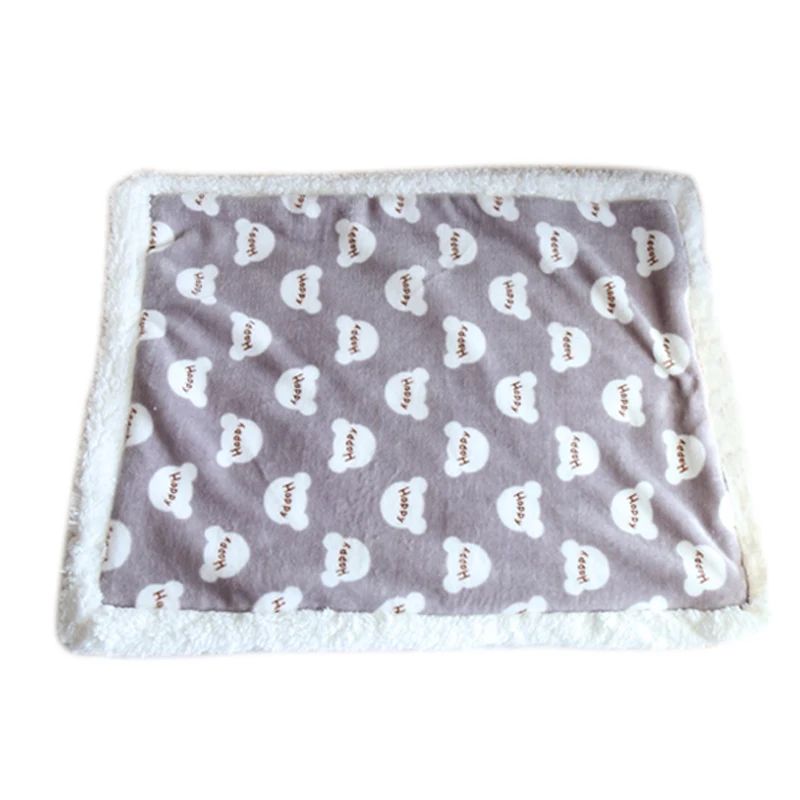
Thick Lamb Fleece Pet Dog Blanket – Soft Flannel Cushion for Cats & Dogs, Perfect Winter Sleeping Blanket to Keep Your Pets Warm

Cozy Winter Warm Tent for Pets – Enclosed Nest for Ultimate Comfort
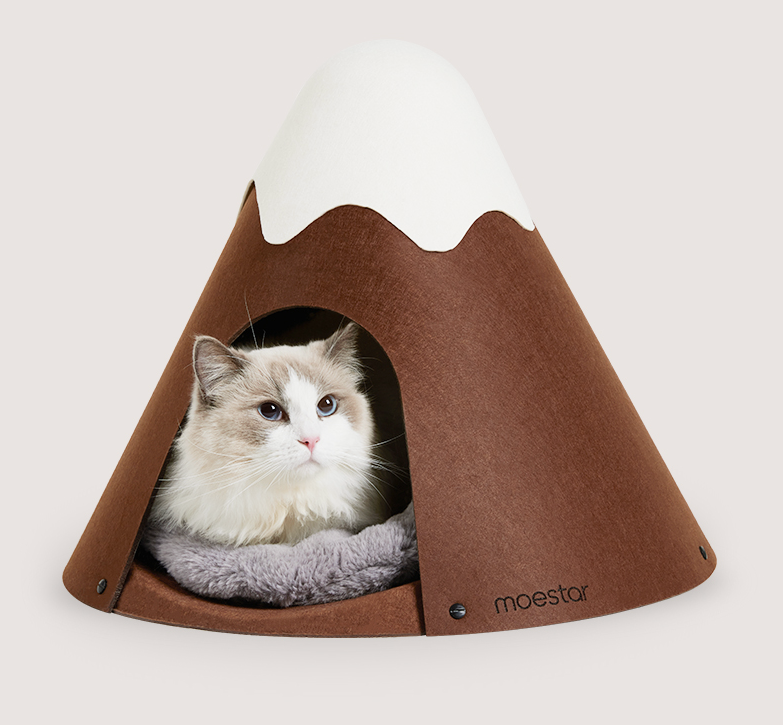
Cozy Snow-top Cat Litter Enclosed Warm Pet Tent for Ultimate Comfort