Getting the perfect epoxy mix is an art that can make or break your project. Whether you’re crafting stunning countertops, creating durable coatings, or bonding materials, the key to success lies in the mixing process. A sticky mess can lead to frustration, wasted materials, and disappointing results. Here’s how to mix epoxy correctly and ensure a flawless finish.
Choosing the Right Epoxy Resin
First and foremost, choose a high-quality epoxy resin. Investing in premium products pays off with better adhesion, clarity, and durability. Look for epoxy that offers clear instructions and has a reputation for reliable performance. Brands with positive reviews often provide the best results, so don’t skimp on quality.
Gathering Your Tools
Once you have your epoxy, gather your tools. A clean, dust-free workspace is essential. You’ll need:
- A mixing cup
- A stir stick
- A scale for precise measurement
Accurate ratios are crucial; most epoxies require a 1:1 or 2:1 mix of resin to hardener. Using a scale ensures that you achieve the correct proportions, eliminating the risk of sticky failures.
Mixing the Epoxy
When mixing, pour the resin and hardener into your cup carefully. Avoid introducing air bubbles by pouring slowly along the sides of the cup. This simple technique reduces the chance of imperfections in your final product. After combining the two components, stir thoroughly for at least three minutes. Scrape the sides and bottom of the cup to incorporate all the material. This step is vital—insufficient mixing can lead to areas that remain uncured, resulting in a sticky surface.
Temperature Considerations
Temperature plays a significant role in the curing process. Ensure your workspace is at the recommended temperature specified by the manufacturer. Epoxy cures best in a warm environment, typically between 70°F and 90°F. If it’s too cold, the epoxy may not cure properly, leading to a tacky finish.
Timing Your Application
Timing is everything. Once mixed, you’ll have a limited working time, often referred to as the “pot life.” Be sure to apply the epoxy within this window for optimal results. If you’re pouring, do so in a thin layer; thick applications can trap heat and cause the epoxy to cure unevenly, leading to sticky spots.
Post-Application Care
After application, avoid touching or disturbing the epoxy until it has fully cured. Follow the manufacturer’s instructions regarding curing times and conditions. Patience is key—resist the temptation to rush the process, as this can lead to mishaps.
Dealing with Sticky Failures
If you find yourself facing a sticky failure despite your best efforts, don’t despair! There are solutions:
- Lightly sanding the surface can remove the tackiness.
- Follow with a fresh coat of properly mixed epoxy.
This fix can save your project and restore that glossy finish you desire.
Conclusion
By following these guidelines, you can mix epoxy correctly and avoid the pitfalls of sticky failures. Embrace the creative possibilities that high-quality epoxy provides, and watch your projects transform into durable, stunning works of art. With the right techniques in hand, you’ll not only achieve beautiful results but also enjoy the satisfaction of mastering the craft of epoxy mixing.
Related products
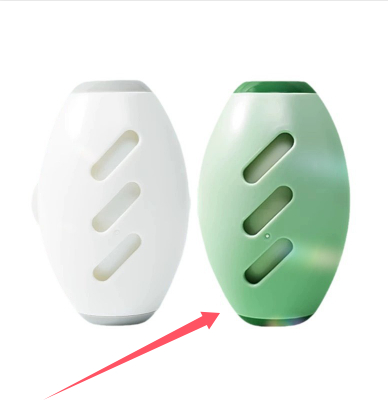
Washable Hair Collector Roller – Effective Sticky Hair Remover Tool
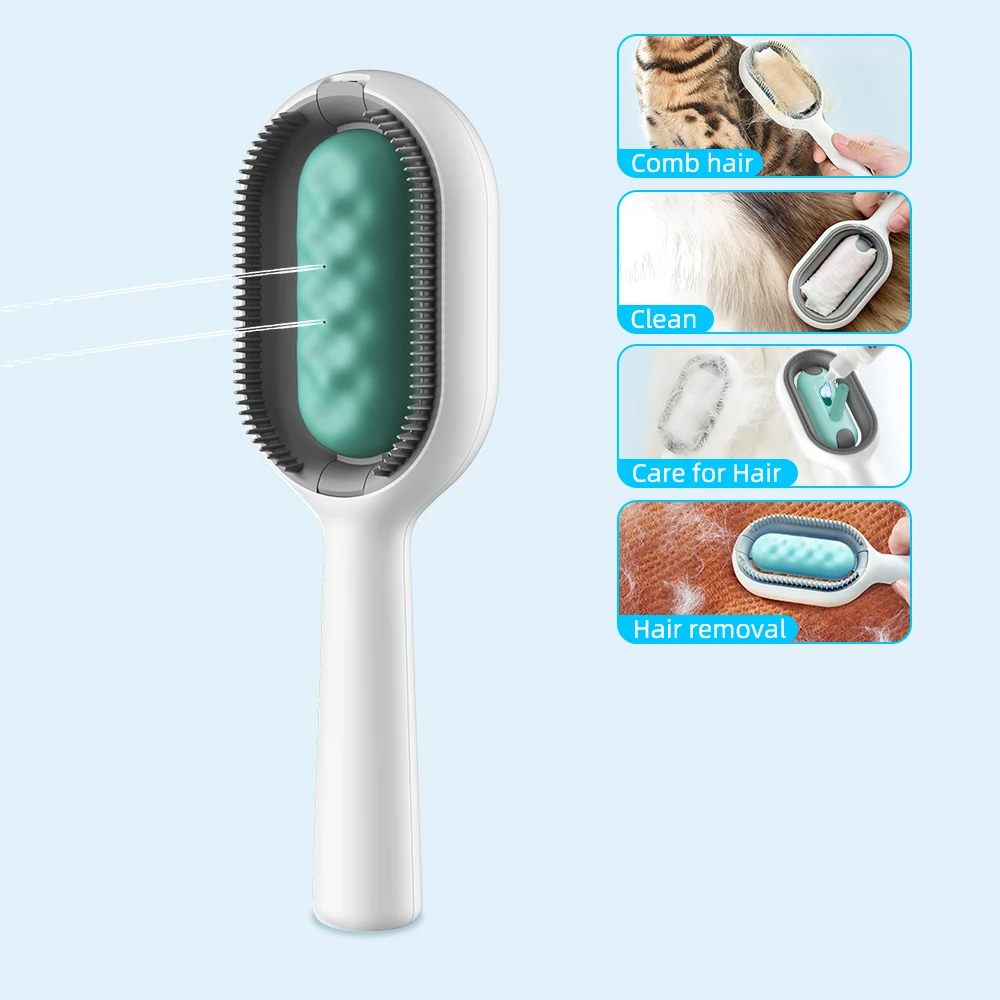
4 In-1 Cat Grooming Brush with Water Tank – Sticky Brush for Cats & Dogs, Double-Sided Hair Removal Comb, Essential Pet Supplies & Accessories
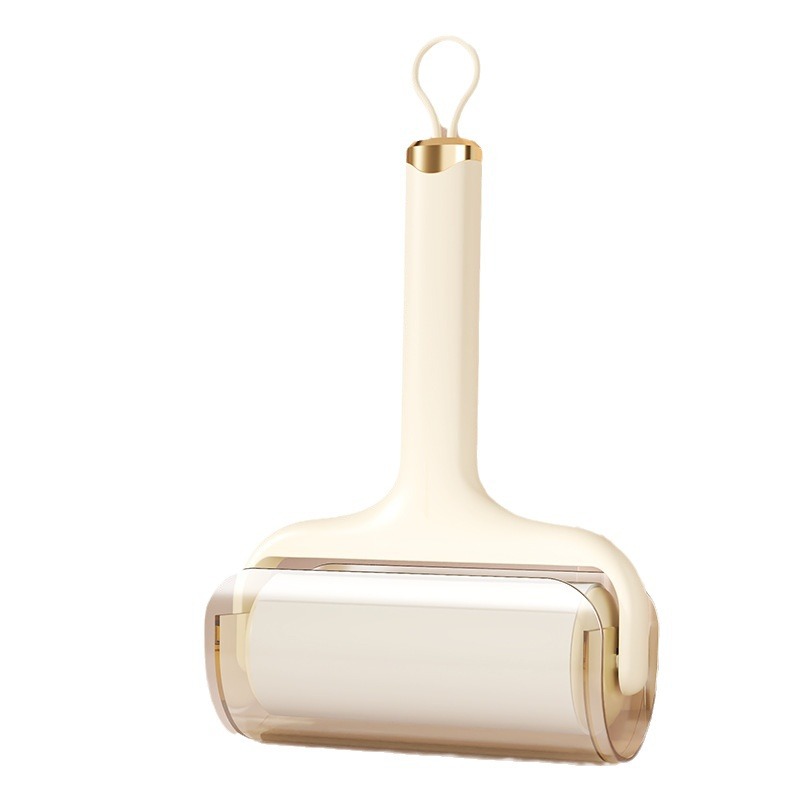
High Viscosity Sticky Hair Roller – Strong Tear Type Replacement Paper Brush for Pet Hair Removal