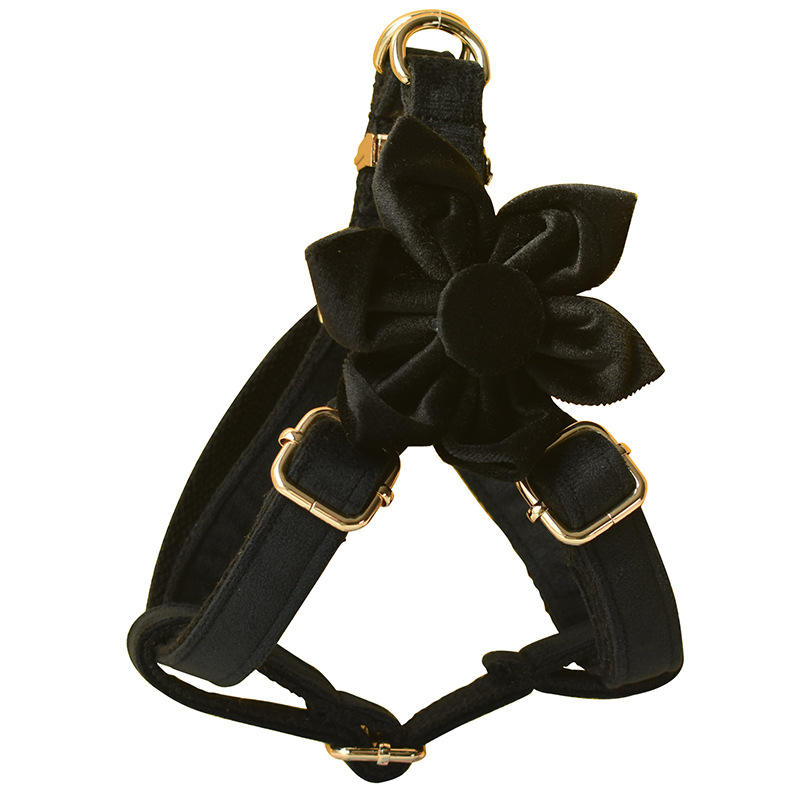
Finding the perfect harness for your furry friend can transform your walks from chaotic to enjoyable. However, choosing the right size starts with accurate measurements. Follow these simple steps to ensure your dog is snug and secure in their new harness, allowing for comfort and freedom of movement.
Gather Your Supplies
Begin by gathering your supplies. You’ll need a flexible measuring tape, a notepad, and possibly a helper to keep your pup calm and still. If your dog is a little squirmy, don’t hesitate to use treats as motivation!
Measuring Your Dog
Step 1: Measure the Chest
Wrap the measuring tape around the widest part of your dog’s chest, just behind the front legs. This is often the most critical measurement for harness fit. Make sure the tape is snug but not too tight—your dog should be able to breathe comfortably. Record the measurement in inches.
Step 2: Measure the Neck
Next, measure around the base of your dog’s neck. This area is crucial for ensuring that the harness doesn’t choke or rub against your dog’s throat. Again, the tape should fit snugly without constricting. Write down this measurement too.
Step 3: Measure the Length
For some harnesses, you may need to measure your dog’s back length. Start at the base of their neck and measure to the base of their tail. This step is particularly important for harnesses that provide additional support or that are designed for specific dog breeds.
Consulting Size Charts
Once you have your measurements, it’s time to consult the size chart provided by the harness manufacturer. Sizes can vary between brands, so always refer to the specific chart for the product you’re considering. This step will guide you in selecting the correct size based on your dog’s unique measurements.
Consider Adjustability
Many harnesses come with adjustable straps, which can accommodate slight variations in size. If your dog is between sizes, opting for a harness with adjustable components can provide a better fit and longer usability as your dog grows or changes shape.
Trying It On
Once you’ve selected a harness, it’s crucial to try it on your dog. Check for proper fit by ensuring you can fit two fingers between the harness and your dog’s body. The harness should not restrict movement, nor should it slip off easily. Watch your dog’s behavior—if they seem uncomfortable or resistant, it may be time to reassess the size or style.
Benefits of a Well-Fitting Harness
Investing in a well-fitting harness can enhance your dog’s comfort and safety during walks. A harness distributes pressure evenly across the body, reducing strain on the neck and back. This is especially beneficial for:
- Puppies
- Older dogs
- Breeds prone to respiratory issues
Style Matters
Don’t forget that a harness isn’t just about fit; it’s also about style. With a variety of colors and designs available, you can find a harness that not only meets functional needs but also showcases your dog’s personality.
Conclusion
Measuring your dog for a harness doesn’t have to be a daunting task. By following these steps, you ensure a perfect fit that maximizes comfort and safety, making your walks together a joy. So grab that measuring tape and get started—your dog will thank you!
Related products
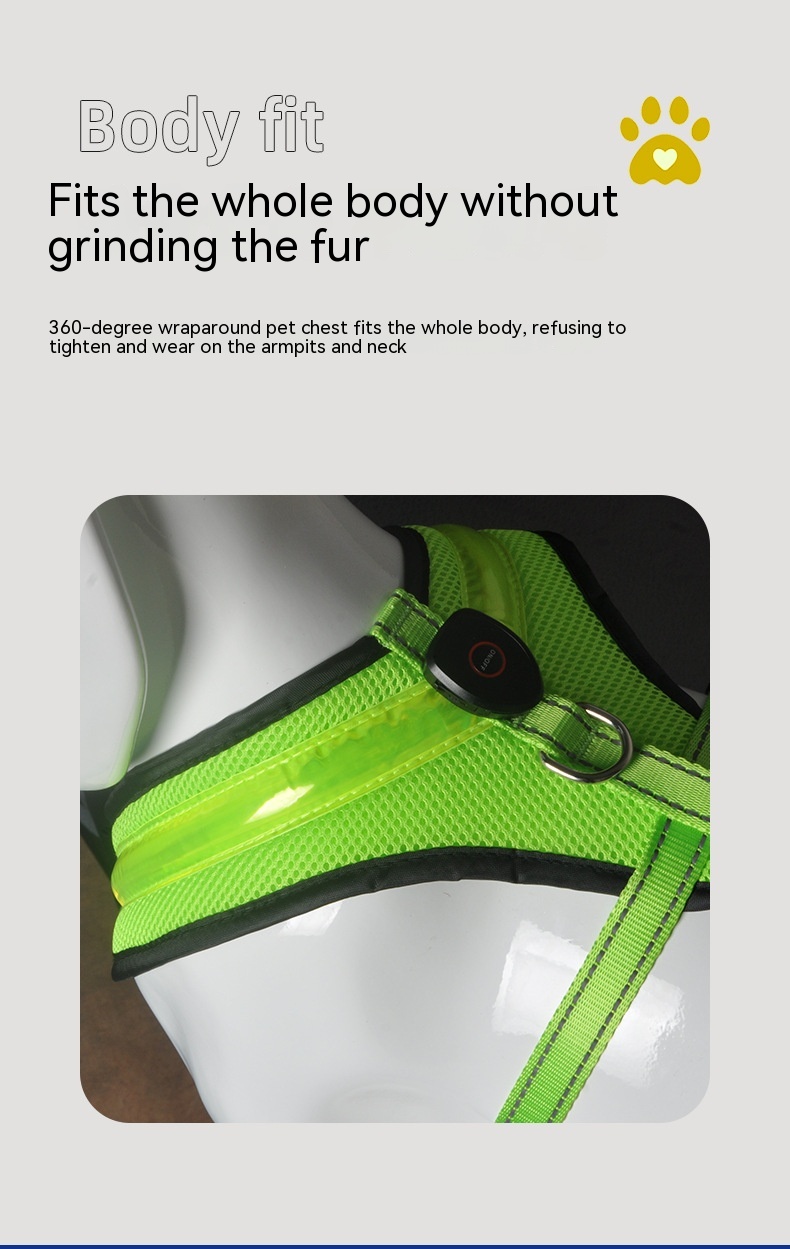
LED Luminous Dog Harness | USB Rechargeable Reflective Vest for Pet Safety | Ideal for Large Dogs and Puppies | Quality Pet Products
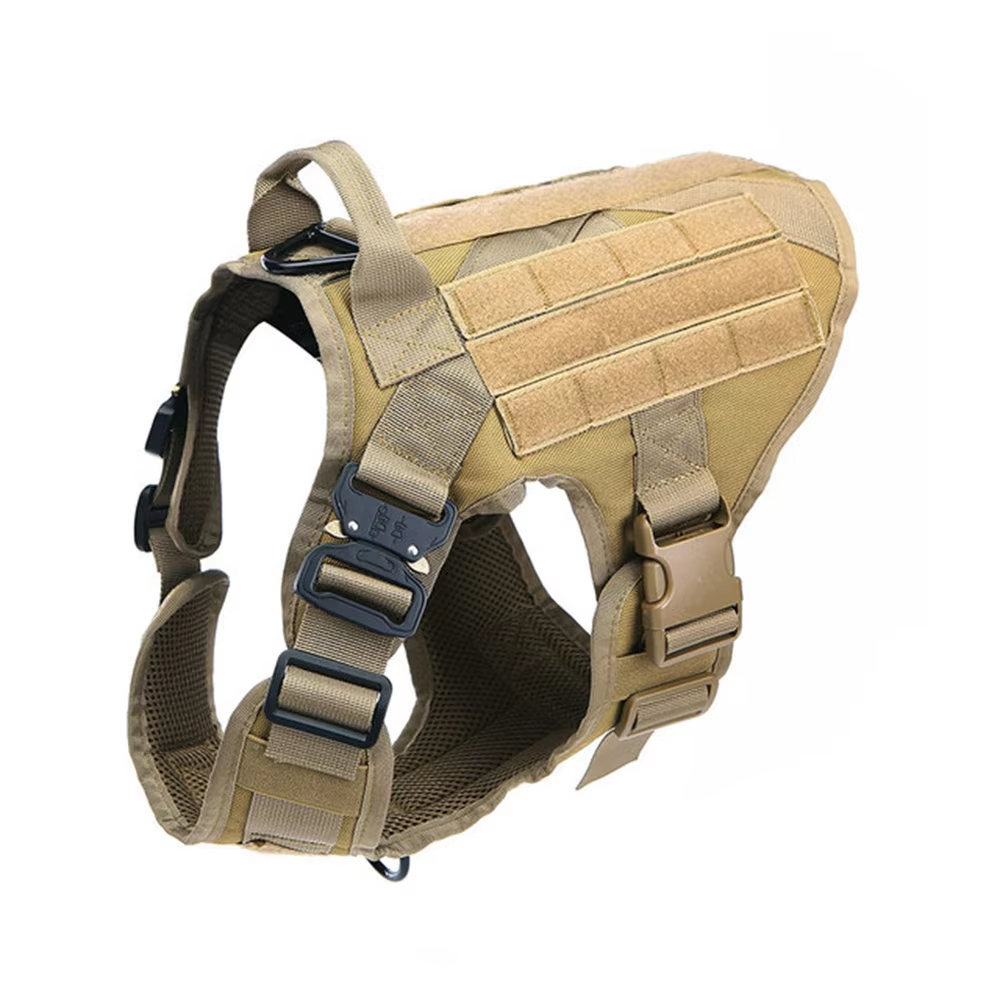
Luxury Camouflage Dog Harness and Leash Set – Stylish Nylon Pet Gear
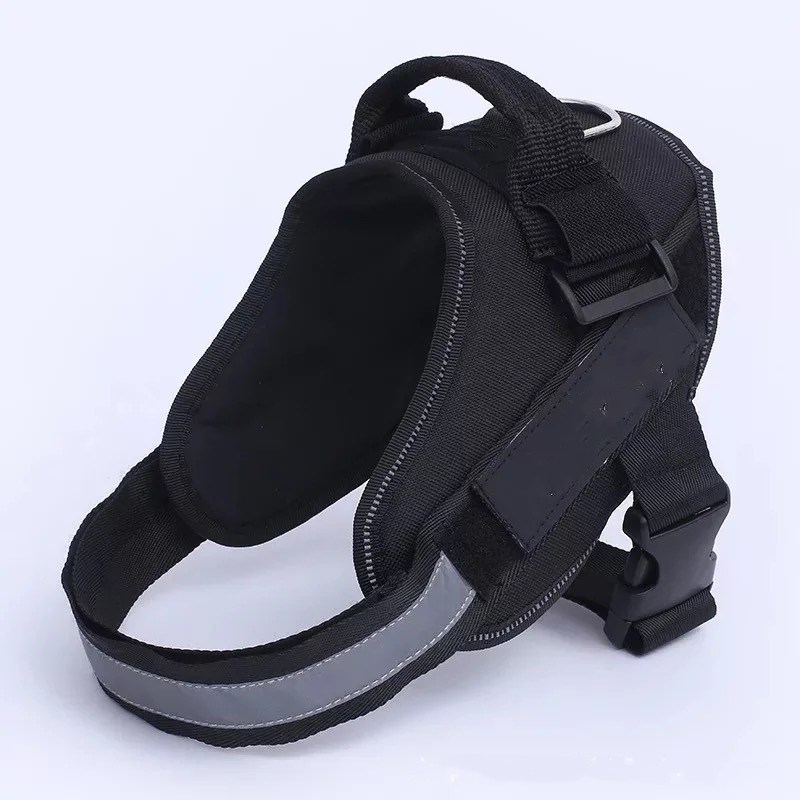
Premium Dog Harness for Ultimate Comfort and Control – Adjustable Fit