Finding the perfect camping spot can be a challenge, especially when the terrain resembles a roller coaster rather than a flat canvas. Pitching a tent on uneven ground doesn’t have to be a daunting task. With a few practical tips and the right mindset, you can create a comfortable sleeping space that makes your outdoor experience enjoyable and restful.
Assessing Your Surroundings
First, assess your surroundings. Look for a relatively flat area, even if it’s not perfectly level. A slight incline can be manageable, but avoid pitching your tent directly on steep slopes. Identify natural features like trees or bushes that can provide windbreaks and shade. This can enhance your camping experience, offering both protection and comfort.
Choosing the Right Gear
Next, consider your gear. Investing in a high-quality tent designed for various terrains can make a significant difference. Tents with adjustable poles or those that can be staked down securely will give you the flexibility needed for uneven surfaces. Brands like REI or Big Agnes offer models that excel in versatility and durability, ensuring that your tent withstands the elements while providing a cozy retreat.
Preparing the Ground
Once you’ve chosen your spot and gear, it’s time to prepare the ground. Clear away any rocks, branches, or debris that could poke through your tent floor. If the ground is particularly uneven, use a ground tarp to create a barrier between your tent and the surface. This not only protects your tent but also adds a layer of insulation from the cold ground.
Setting Up Your Tent
When setting up, position your tent so that the entrance faces away from the wind. This simple maneuver can keep you warm and comfortable throughout the night. If you’re dealing with a slight incline, place your sleeping bags and gear at the higher end to avoid rolling during sleep. For added comfort, utilize inflatable sleeping pads which provide cushioning and can help compensate for uneven surfaces.
Securing Your Tent
Don’t forget about the stakes! Properly securing your tent is essential, especially on uneven ground. Use longer stakes for a more secure hold and consider using rocks or heavy objects as extra weights if the soil is too soft to drive stakes in deeply. This will prevent your tent from shifting or collapsing during windy nights.
Embrace the Adventure
Lastly, embrace the adventure! Camping is all about experiencing the great outdoors, and learning how to pitch a tent on uneven ground is part of that journey. Share your newfound skills with friends or family, and turn a minor challenge into a memorable bonding experience.
Conclusion
With the right approach and equipment, you’ll discover that pitching a tent on uneven ground is not only possible but can also be a fun and rewarding part of your camping adventure. Equip yourself with the best gear, plan carefully, and enjoy the beauty of nature in comfort. Happy camping!
Related products
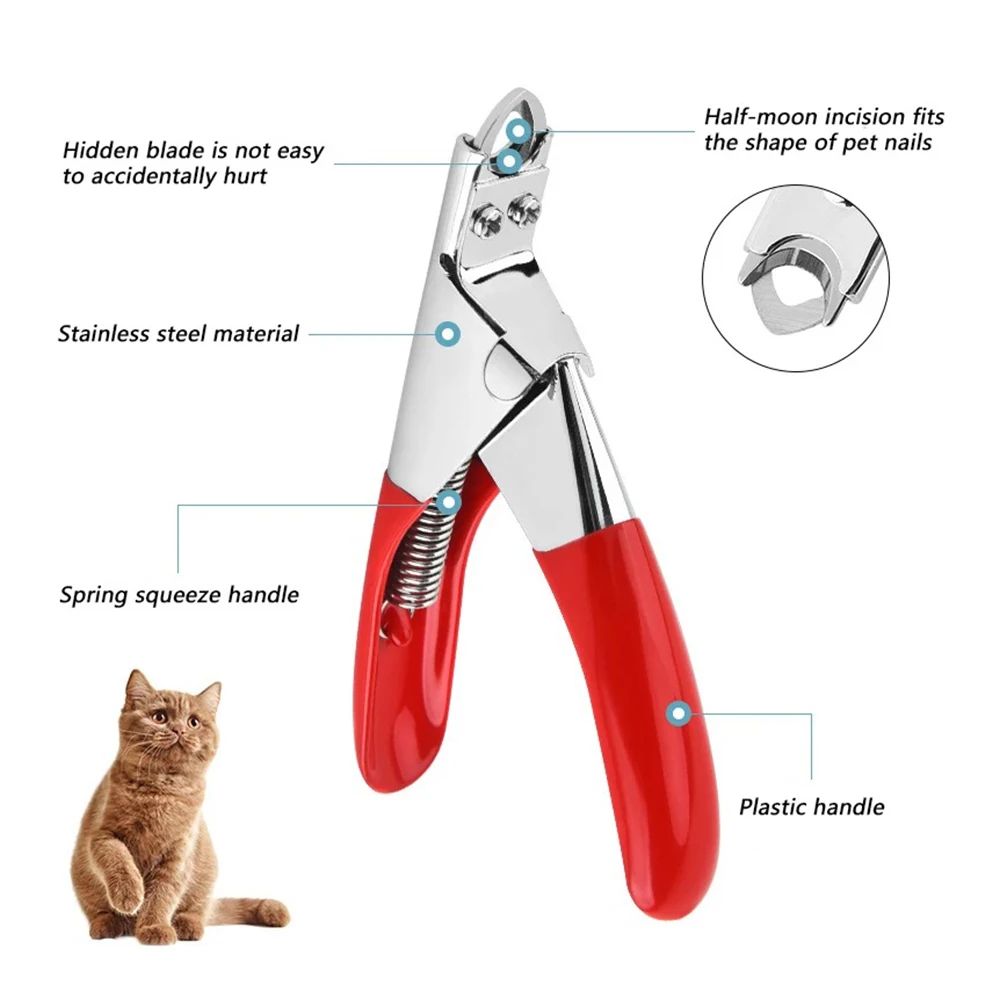
Professional Dog Nail Clippers – Type U Word False Tips, Straight Edge Cutters, and Guillotine Nail Capsule for Perfect Manicure
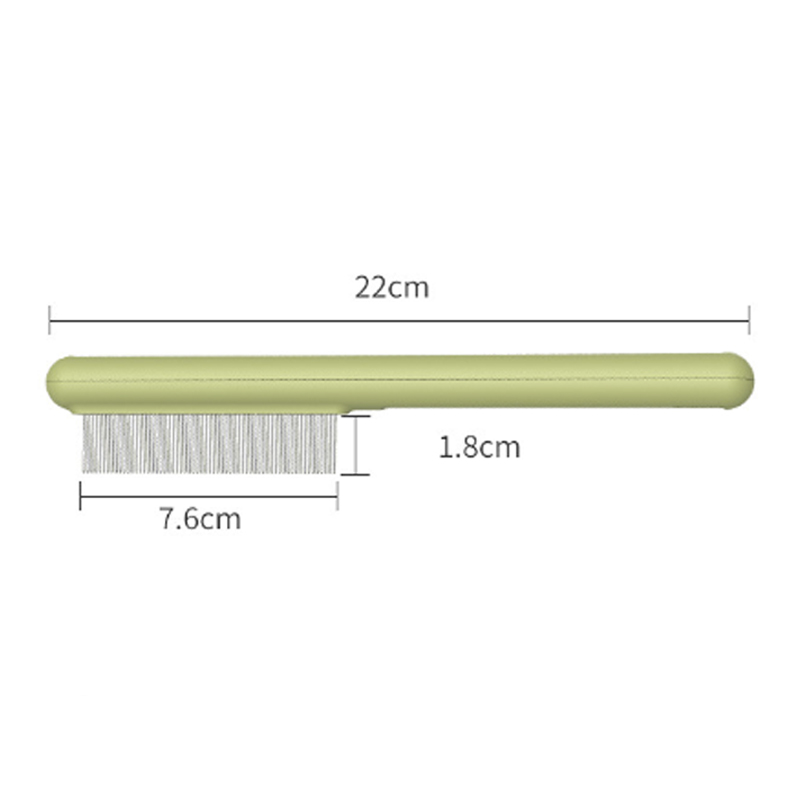
Stainless Steel Cat Comb with Rounded Teeth & Smooth Tips – Pet Massage Tool for Long & Short-Haired Cats, Effectively Removes Loose Hair, Fleas, and Lice

Protect Your Curling Iron: Essential Tips to Avoid Damage