Cycling blisters can turn an exhilarating ride into a painful ordeal, but with the right choices in shoes, socks, and fit, you can keep discomfort at bay. The journey to blister-free cycling starts with understanding the importance of each component in your gear.
Choosing the Right Cycling Shoes
First and foremost, selecting the right cycling shoes is crucial. Look for shoes designed specifically for cycling, which offer a snug fit without being overly tight. Materials that provide breathability and moisture-wicking properties are essential, as they help keep your feet dry and comfortable. Brands like Giro and Shimano offer innovative designs that enhance performance while minimizing the risk of blisters. Investing in high-quality shoes not only enhances your cycling experience but also protects your feet from the friction that leads to blisters.
The Importance of Socks
Next, let’s talk about socks. The right pair can make all the difference in blister prevention. Opt for cycling-specific socks made from synthetic fibers or merino wool, which wick away moisture and reduce friction. Avoid cotton socks, as they tend to retain moisture and can lead to blister formation. Brands such as Swiftwick and DeFeet provide excellent options that combine comfort with functionality. A well-fitted sock that stays in place will help eliminate unnecessary movement that can cause blisters.
Ensuring a Proper Fit
Fit is another critical factor in preventing blisters. Make sure your shoes fit snugly, allowing only a small amount of wiggle room for your toes. A proper fit means no excessive movement inside the shoe, which is a leading cause of blisters. Consider visiting a specialty bike shop for a professional fitting. Experts can assess your foot shape, arch type, and riding style to recommend the perfect combination of shoes and insoles tailored just for you.
Breaking in New Shoes
Additionally, breaking in new shoes gradually can significantly reduce the likelihood of blisters. Start with short rides and slowly increase your distance as your feet acclimate to the new footwear. Pair this with regular foot care:
- Keep your feet clean and dry.
- Consider applying blister prevention balms or tapes to high-friction areas before long rides.
Regular Foot Checks
Finally, don’t underestimate the power of regular foot checks. After each ride, examine your feet for any signs of irritation or early blister formation. Catching these issues early allows you to take action before they develop into larger problems.
Conclusion
By prioritizing the right shoes, socks, and fit, you can enjoy the open road without the nagging worry of blisters. Elevate your cycling experience and pedal pain-free by making informed choices about your gear. Happy cycling!
Related products

5 Pairs Women’s Running Compression Socks | Sports, Cycling & Fitness Crew Socks – Cushioned, Breathable, Anti-Blister & Anti-Odor for Yoga & Hiking
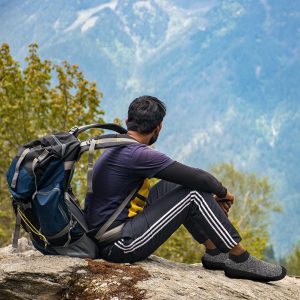
Versatile Wading Shoes for Men and Women – Perfect for Fitness, Swimming, and Yoga Socks
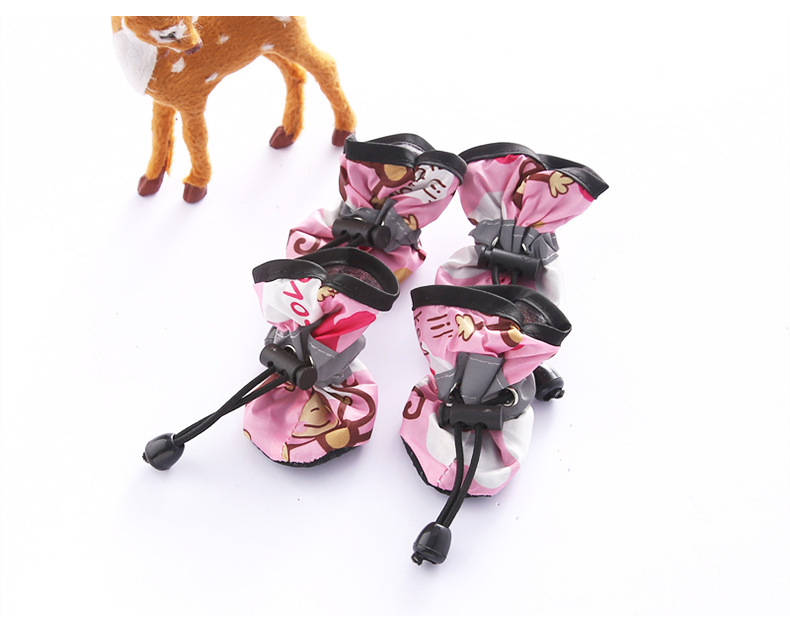
Breathable Non-Slip Pet Dog Shoes and Socks for All Seasons – Soft Bottom Comfort