The fresh scent of a new yoga mat is invigorating, but over time, it can be replaced by an unpleasant odor that may deter your practice. Fortunately, preventing yoga mat smell is simpler than you might think. By adopting a few effective storage and cleaning strategies, you can keep your mat smelling fresh and ready for your next session.
Establish a Cleaning Routine
Start with the right cleaning routine. Regular maintenance is key to preventing odors from developing. After each use, take a moment to wipe down your mat with a gentle, eco-friendly cleaner or a mixture of water and vinegar. This not only removes sweat and bacteria but also helps to maintain the integrity of the material. Opt for a product specifically designed for yoga mats to ensure that your cleaning solution is safe and effective. Many brands offer natural, non-toxic options that leave your mat smelling pleasant without the harsh chemicals.
Proper Storage Techniques
Storage plays a crucial role in odor prevention as well. When your mat is not in use, store it in a cool, dry place away from direct sunlight. Exposure to heat and humidity can cause mold and mildew to develop, leading to that unwanted smell. Consider the following tips for effective storage:
- Roll your mat rather than folding it to prevent creases that can harbor moisture and odors.
- Use a breathable mat bag to allow air circulation while keeping dust and dirt at bay.
Deep Cleaning for Stubborn Odors
To tackle stubborn odors, a deep clean may be necessary from time to time. Follow these steps for a thorough cleaning:
- Soak your mat in a solution of warm water and mild detergent for about 30 minutes.
- Rinse thoroughly and hang it to dry.
- Avoid machine washing or drying, as the heat can warp the material.
If the smell persists, sprinkle baking soda over your mat, let it sit overnight, and then vacuum it off. Baking soda is a natural deodorizer and will absorb any lingering scents.
Invest in Quality
Investing in a quality yoga mat can also make a significant difference in odor management. Look for mats made from natural materials like rubber or jute, which are less prone to absorbing moisture and odors compared to synthetic options. Many brands now offer mats that are specifically designed to resist bacteria and odors, ensuring a fresher experience.
Conclusion
Incorporating these simple tips into your routine will not only prolong the life of your yoga mat but also enhance your overall practice. Say goodbye to unpleasant smells and hello to a revitalized, inviting workout space. With just a little effort, you can maintain a fresh and clean mat, allowing you to focus entirely on your yoga journey. Keep your mat as uplifting as your practice, and enjoy every moment on your path to wellness!
Related products
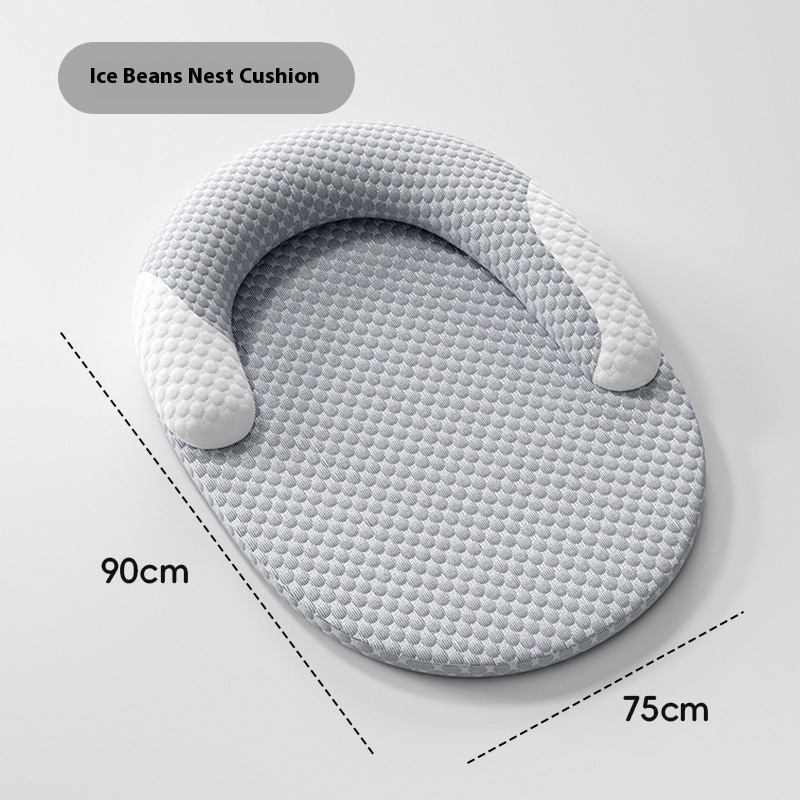
Removable and Washable Pet Mat for Easy Cleaning and Comfort
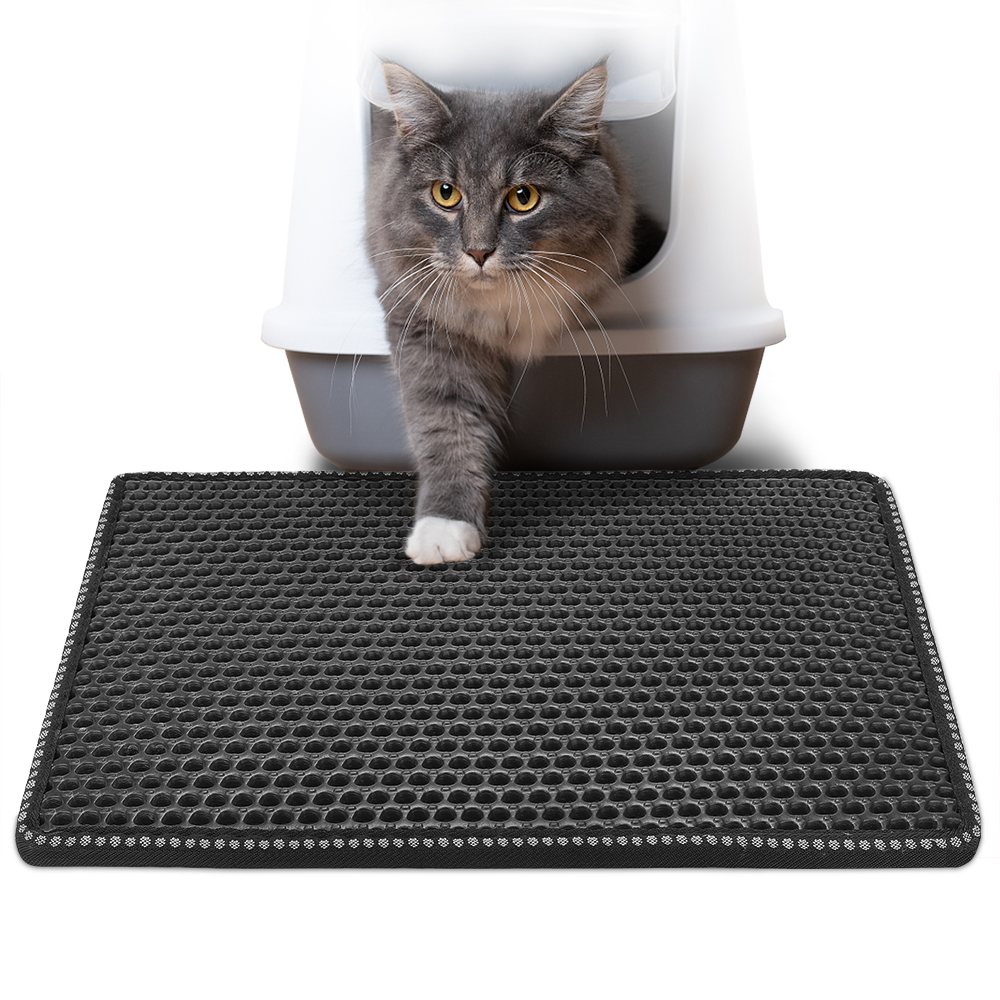
Double Rice Grain Cat Litter Mat – Premium Cleaning Pad & Splash Guard Filter Mat for Litter Box
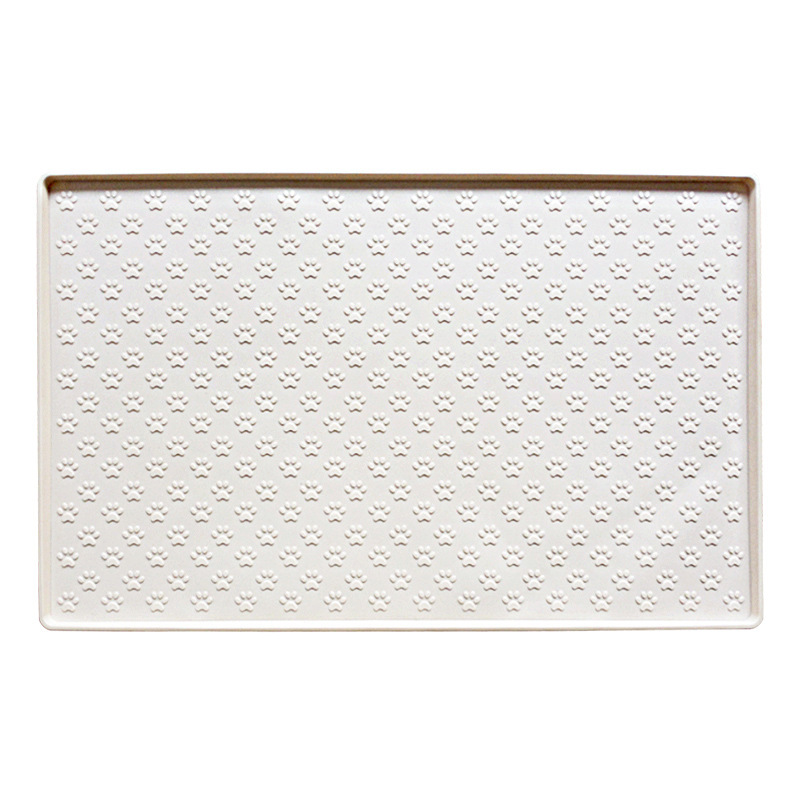
Spot Pet Mat – Waterproof Silicone Dog and Cat Mat, Easy to Clean Square Placemat, Essential Pet Supplies