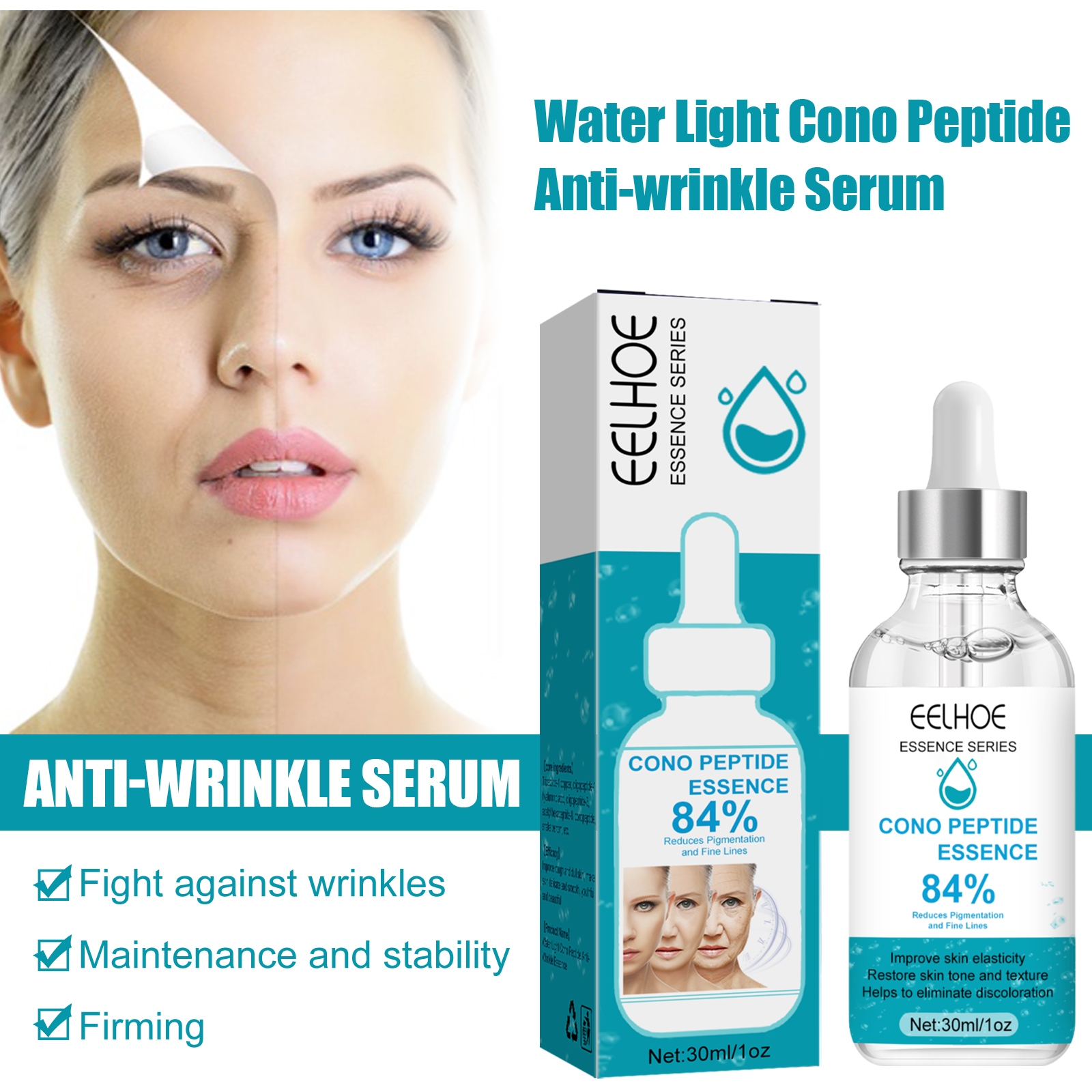
A compromised skin barrier can lead to a myriad of skin issues, from dryness to irritation. Fortunately, restoring it is not only achievable but can also be a rejuvenating journey. Here’s a step-by-step guide to help you repair your skin barrier effectively.
Step 1: Identify the Damage
Before embarking on your healing journey, it’s crucial to understand the extent of the damage. Factors like harsh weather, over-exfoliation, and using products with irritating ingredients can all contribute to barrier dysfunction. Take a moment to evaluate your skincare routine and environmental influences that may have led to this condition.
Step 2: Simplify Your Skincare Routine
Less is often more when it comes to repairing a damaged skin barrier. Eliminate harsh cleansers, exfoliants, and products containing alcohol or artificial fragrances. Instead, opt for gentle, hydrating cleansers that won’t strip your skin of its natural oils. Look for products specifically formulated for sensitive skin, as they are designed to be soothing and supportive.
Step 3: Introduce Barrier-Repairing Ingredients
Incorporate ingredients known for their barrier-repairing properties. Look for products containing:
- Ceramides: Help restore the skin’s natural lipid barrier.
- Fatty acids: Nourish and hydrate the skin.
- Hyaluronic acid: Draws moisture into the skin, promoting hydration.
Choose serums and moisturizers that prominently feature these components to maximize your results.
Step 4: Hydration is Key
Keeping your skin well-hydrated is essential for repair. Use a rich moisturizer that locks in moisture and creates a protective layer over your skin. This will help prevent further moisture loss and reduce the risk of irritation. Consider using a moisturizer with occlusive ingredients like shea butter or squalane for added protection.
Step 5: Avoid Hot Showers and Harsh Conditions
Hot water can exacerbate skin barrier issues by stripping away natural oils. Opt for lukewarm water when washing your face or taking a shower. Additionally, try to shield your skin from extreme weather conditions:
- In cold weather, use scarves to cover your face.
- In hot climates, apply sunscreen to protect against UV damage.
Step 6: Give Your Skin Time to Heal
Patience is essential. Your skin barrier won’t repair overnight, but with consistent care, you will see improvements. Monitor your skin’s response to the new routine and adjust as necessary. If irritation persists, consult with a dermatologist for personalized advice.
Step 7: Maintain a Balanced Diet
A healthy diet rich in vitamins and antioxidants can support skin health from the inside out. Incorporate foods high in omega-3 fatty acids, like:
- Salmon
- Walnuts
As well as plenty of fruits and vegetables to nourish your skin. Staying hydrated by drinking enough water also plays a crucial role in skin health.
Step 8: Consider Professional Treatments
For severe damage, professional treatments such as hydrating facials or chemical peels may be beneficial. Consult with a licensed esthetician or dermatologist who can tailor a treatment plan to your specific needs. They can offer advanced options that might expedite the healing process.
With these steps, you can effectively repair your damaged skin barrier and reclaim a healthy, radiant complexion. Embrace the journey to recovery, and soon you’ll experience the benefits of nourished, resilient skin. Remember, your skin deserves the best care possible, and investing in quality products tailored to barrier repair will yield remarkable results.
Related products
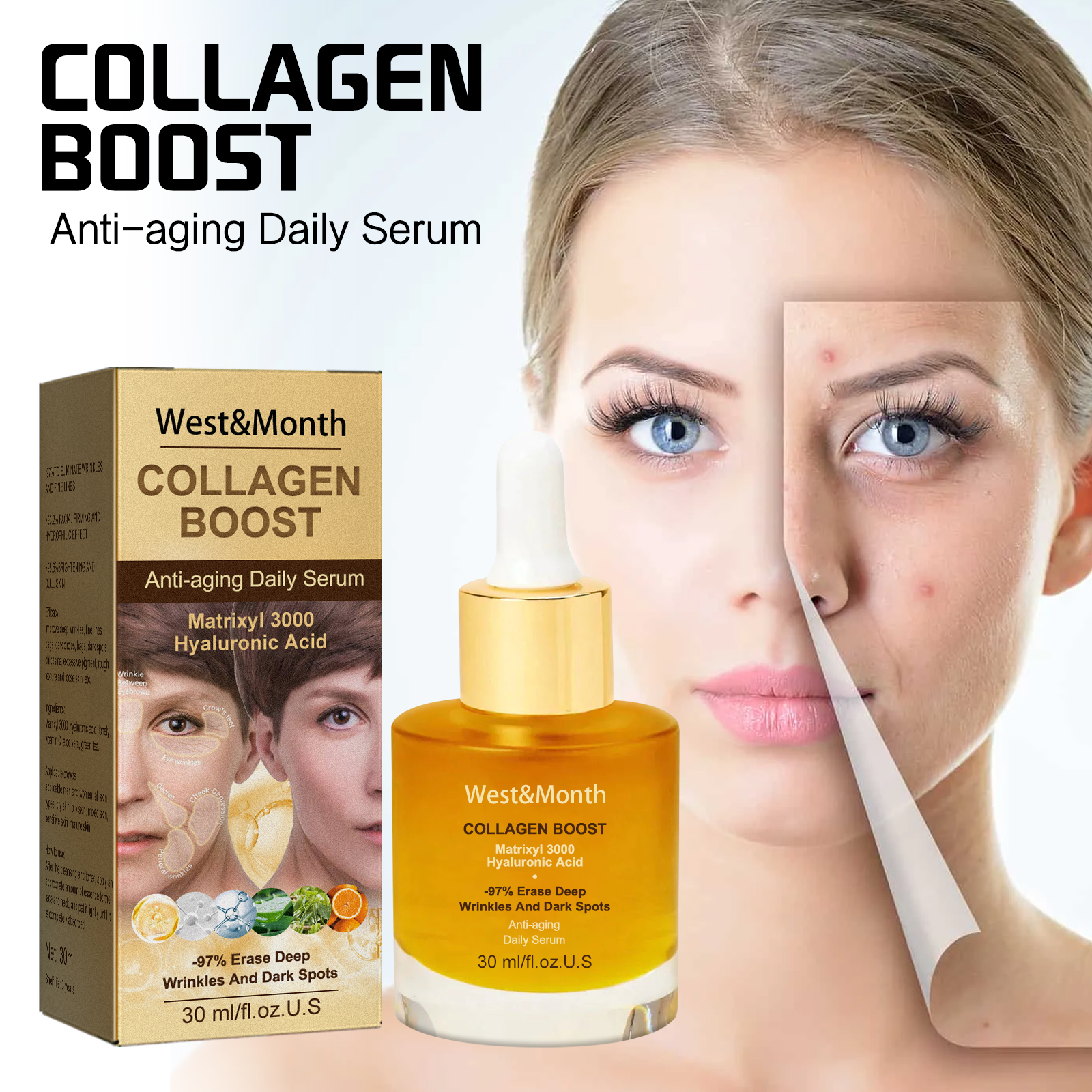
West&Month Collagen Anti-Wrinkle Essence: Fade Spots, Repair Skin Barrier & Boost Hydration
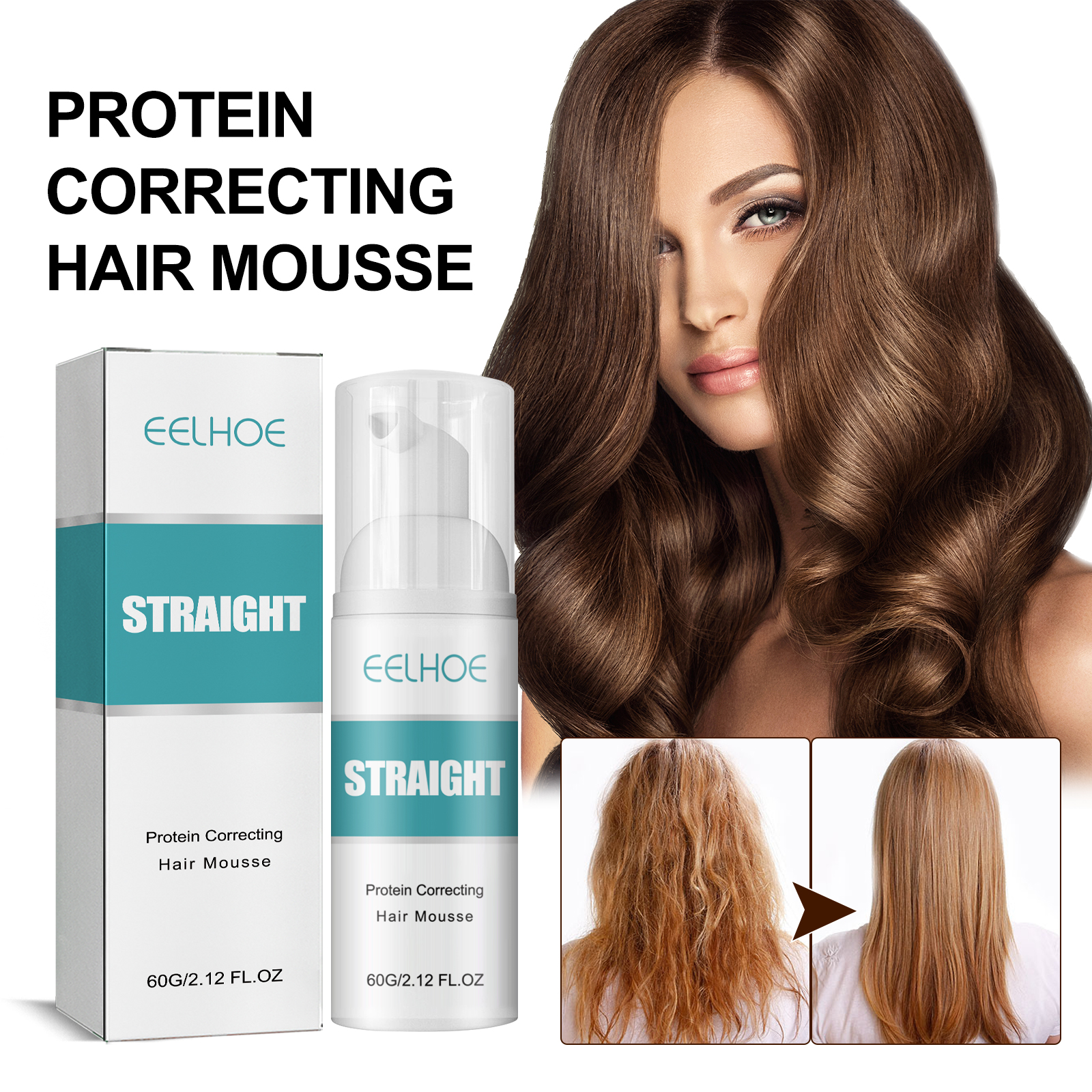
EELHOE Hair Straightening Mousse & Smoothing Conditioner – Frizz Control, Split End Repair, and Leave-In Treatment for Damaged Hair
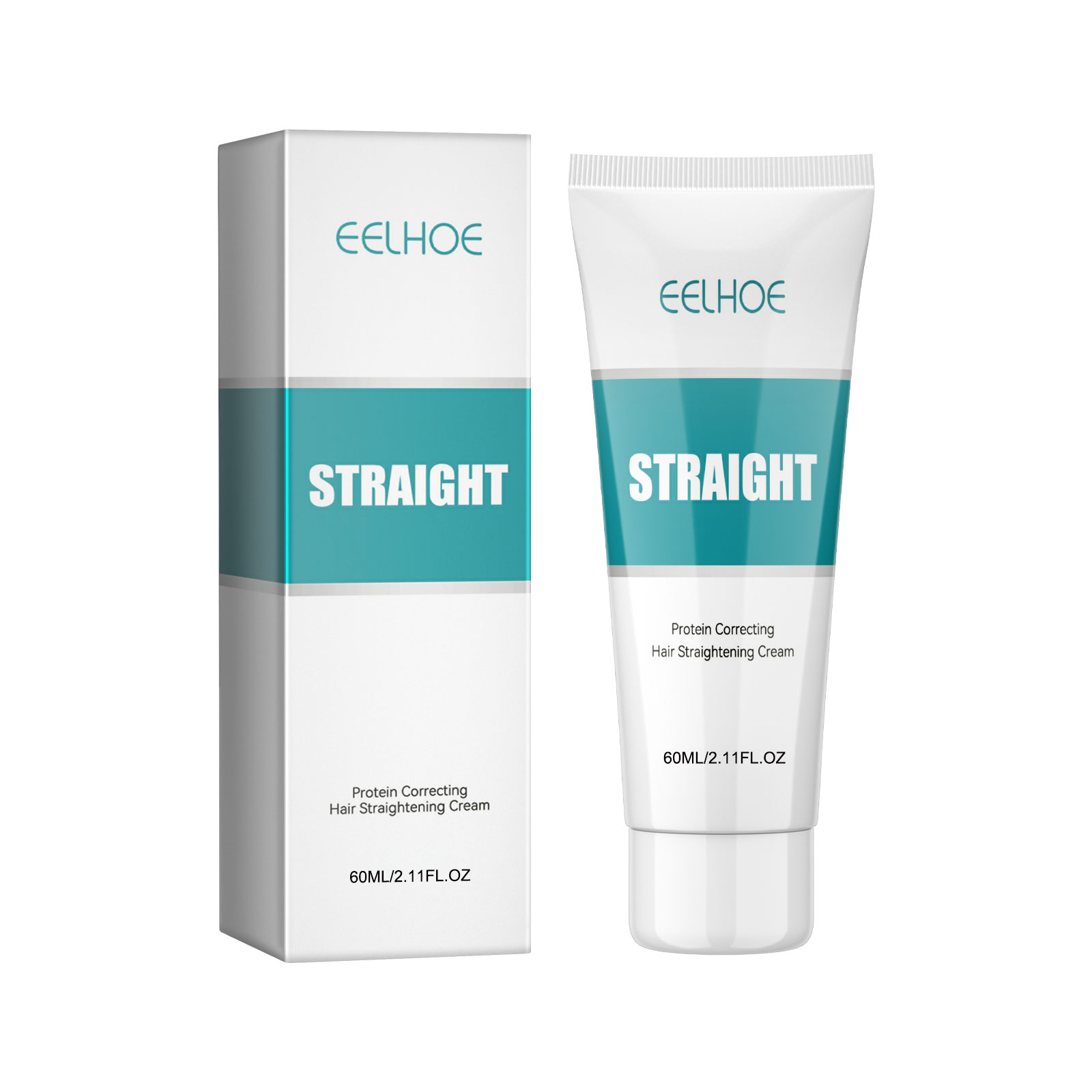
EELHOE Protein Corrective Straightening Cream for Frizz Control & Split End Repair – Leave-In Conditioner for Damaged Hair