The joy of camping can quickly turn sour if you neglect one crucial step: properly storing your tent after use. Imagine the thrill of your outdoor adventure fading away when you pull out your tent for the next trip only to find it musty, moldy, and smelling like a damp basement. Don’t let this happen to you! By following a few simple yet effective storage tips, you can ensure your tent remains fresh, clean, and ready for your next escape into nature.
Cleaning Your Tent After Use
First and foremost, the key to preventing mold and unpleasant odors starts immediately after you take down your tent. As soon as you finish your camping trip, it’s essential to clean and dry your tent before storage. Even the smallest amount of moisture can lead to mold growth, which can ruin your tent and your future camping experiences.
Drying Your Tent
Begin by setting up your tent in a well-ventilated area or outdoors on a dry day. This will allow any moisture accumulated during your trip to evaporate completely.
Cleaning Your Tent
Once your tent is dry, give it a thorough cleaning. Use a mild soap and water solution to gently wipe down the interior and exterior. Avoid harsh chemicals that can damage the fabric. Pay special attention to the zippers and seams, as these areas can trap dirt and moisture. After cleaning, let the tent air dry completely before folding it up. This is crucial! A tent that is even slightly damp can develop mold, leading to an unpleasant camping experience the next time you hit the trails.
Proper Storage Techniques
When it comes to storage, the way you pack your tent is just as important as how you clean it. Instead of stuffing it into its bag, which can create creases and weaken the fabric, consider rolling it. This method helps to minimize creasing and keeps the material intact.
Storage Conditions
Additionally, always store your tent in a cool, dry place, away from direct sunlight and extreme temperatures, which can degrade the fabric over time.
Extra Precautions
- Consider investing in a tent storage bag with moisture-wicking properties.
- Use silica gel packets inside your storage bag to help absorb any excess moisture, ensuring your tent remains dry and odor-free.
Regular Inspections
Finally, make it a habit to check on your tent periodically during its off-season storage. A quick inspection can catch any potential mold growth before it becomes a problem. If you notice any signs of mold or an unpleasant smell, act quickly! Clean and dry the tent again to restore its freshness.
Conclusion
By taking these steps, you can protect your investment and enjoy many more camping adventures without the worry of mold and odors. Your tent is more than just a shelter; it’s your gateway to the great outdoors. Treat it with the care it deserves, and it will reward you with countless nights under the stars, free from the fear of dampness and decay. Embrace your next adventure with confidence, knowing your tent is ready and waiting!
Related products
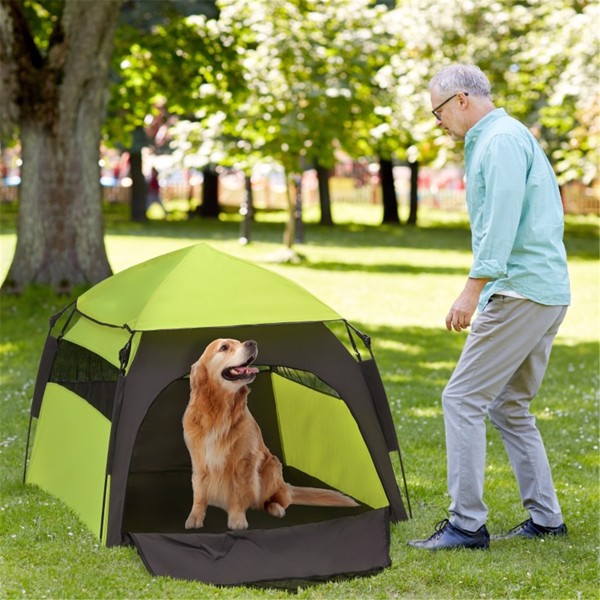
Pet Camping Tent – Amazon Shipping Available, Walmart Restrictions, No Weekend Deliveries

Portable Lightweight Emergency Sleeping Bag & Blanket Tent – Thermal Bivy Sack for Camping, Hiking, and Outdoor Adventures – Windproof, Waterproof Survival Blanket
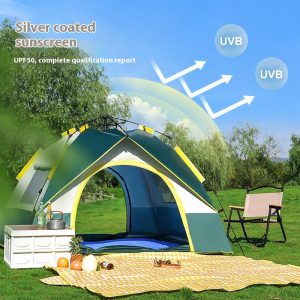
Automatic Quick-Open Tent for 3-4 People – Ideal for Outdoor Camping