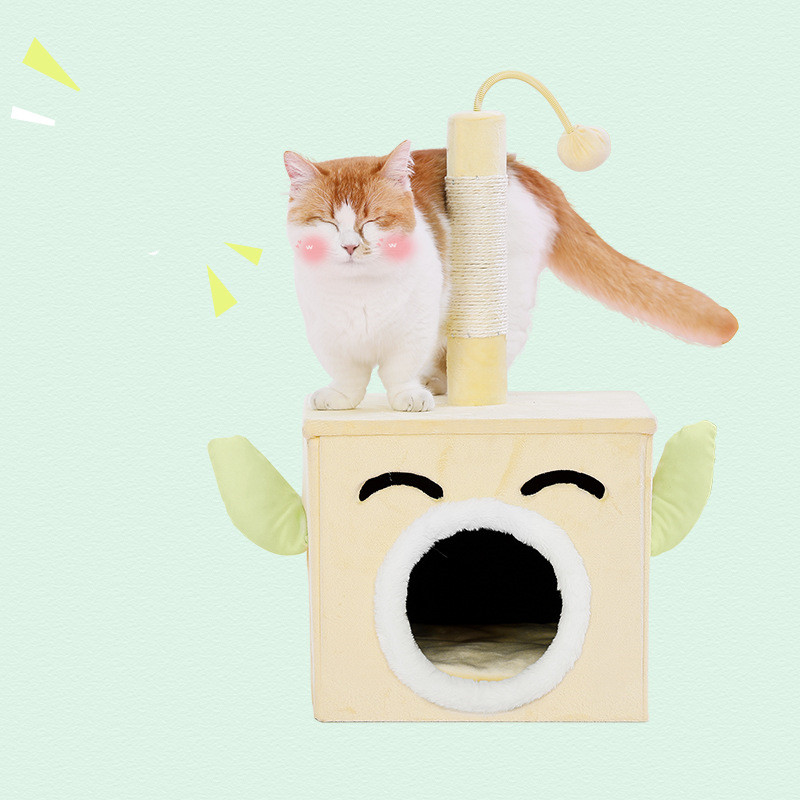
Cats are notorious for their love of scratching, and while it’s a natural behavior, it can wreak havoc on your beloved furniture. Fortunately, a combination of the right tools and effective training can save your furniture while keeping your feline friend happy.
Understanding Scratching Behavior
Start by understanding that scratching is instinctual for cats; they do it to mark territory, sharpen their claws, and stretch their muscles. Instead of seeing it as a nuisance, view it as an opportunity to redirect this behavior into something positive. The key is to provide alternatives that appeal to your cat’s scratching desires.
Investing in Scratching Posts
Investing in high-quality scratching posts is essential. Look for posts that are:
- Tall and sturdy
- Made from materials like sisal or carpet, which are appealing to cats
Place these posts in areas where your cat already likes to scratch. If your cat scratches your couch, position the scratching post nearby to entice them to use it instead.
Enhancing Appeal with Catnip
Consider the allure of catnip-infused scratching posts or mats, which can make these alternatives even more appealing. The added scent can draw your cat’s attention and encourage them to engage with their new scratching outlet instead of your furniture.
Training Your Cat
Training your cat to use these alternatives is equally important. When you catch your cat scratching the furniture, gently redirect them to the scratching post. Reward them with praise or a treat when they use it instead. Consistency is key—repeated redirection and positive reinforcement will help reinforce the desired behavior.
Using Furniture Protectors
Additionally, using furniture protectors can serve as a temporary solution while you train your cat. These can include:
- Sticky tape
- Specially designed furniture covers that deter scratching
Cats typically dislike the feel of sticky surfaces, making it less likely they’ll scratch where you don’t want them to.
Creating a Calming Environment
Don’t underestimate the power of pheromone diffusers, which can create a calming environment for your cat. A stress-free cat is less likely to engage in destructive behaviors.
Conclusion
By combining the right scratching tools and effective training strategies, you can protect your furniture without compromising your cat’s natural instincts. Your home can remain stylish and intact, while your furry companion enjoys their designated scratching space. Embrace the challenge, and turn it into an opportunity for a happier, more harmonious home!
Related products
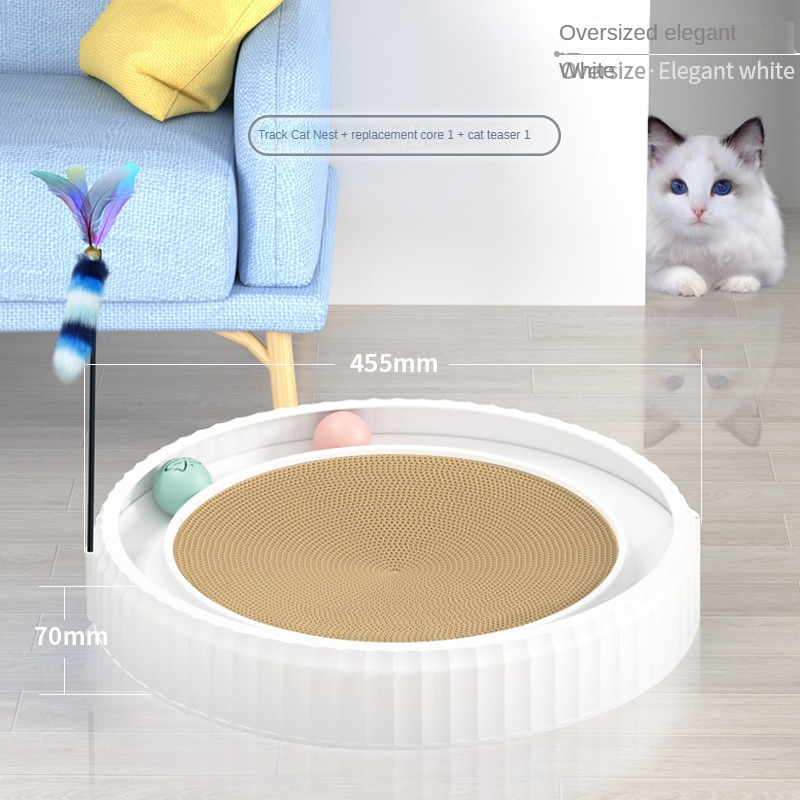
NEW Round Cat Scratching Board – Durable Anti-Scratch Claw Grinder & Furniture Protector for Pets
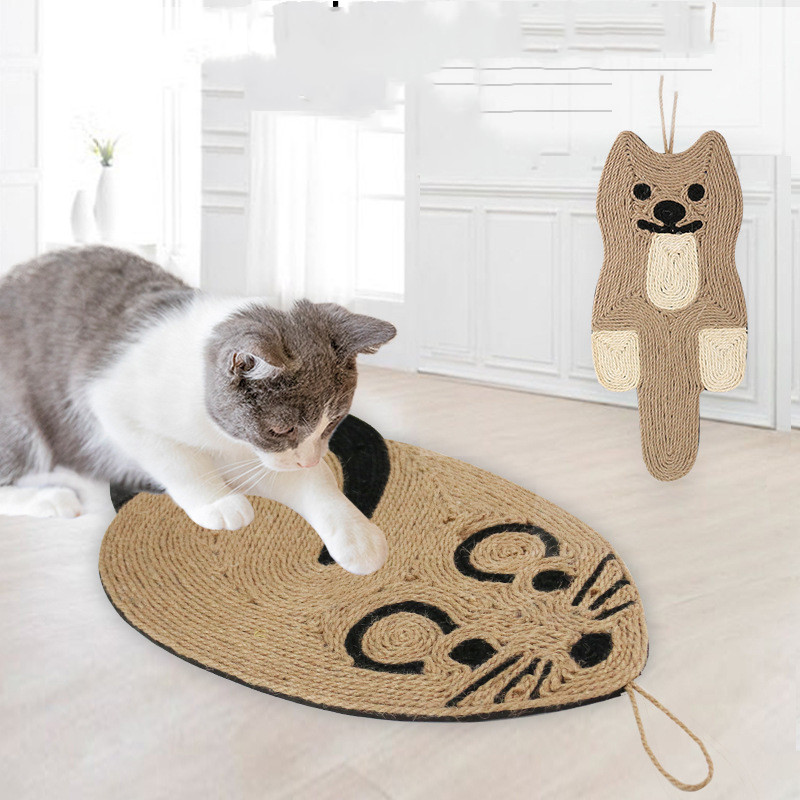
Cat Scratching Board Mouse – Durable Sisal Cat Scratching Pad for Happy Cats
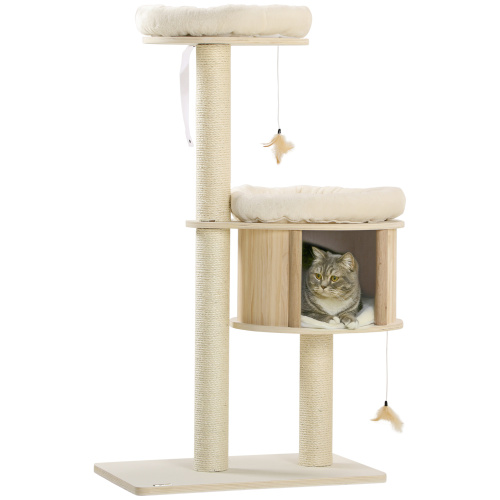
PawHut 3-Level Cat Tree with Sisal Scratching Posts, Soft Cushions & Badminton Toy for Playful Cats