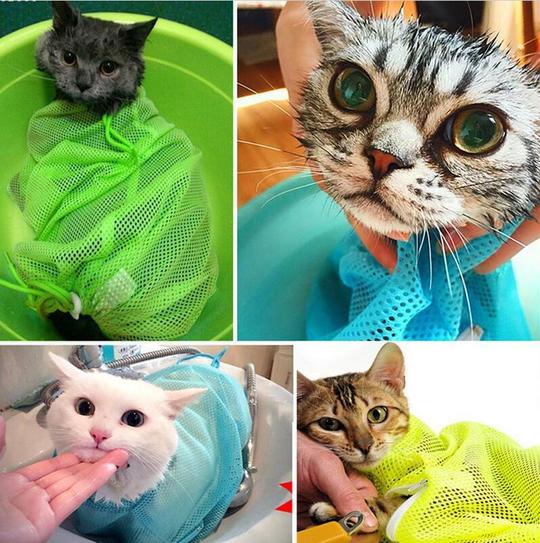
Keeping your pet’s nails trimmed is essential for their overall health and well-being. However, the fear of cutting into the quick—a sensitive area rich in blood vessels and nerves—can leave many pet owners hesitant. Fear not! With the right techniques and tools, trimming your pet’s nails can be a safe and stress-free experience.
Understanding Your Pet’s Nails
Understanding the anatomy of your pet’s nails is the first step. The quick is often visible in light-colored nails, appearing as a pink area. In darker nails, it can be challenging to spot, making it crucial to approach trimming with caution. Using a high-quality nail clipper specifically designed for pets can greatly enhance your precision. Look for clippers that are comfortable to hold and provide a clear view of the nail as you trim.
Preparing for Nail Trimming
Before you begin, create a calm environment. Gather your tools, including:
- Nail clippers
- Nail file
- Treats for positive reinforcement
A relaxed pet is more likely to cooperate, so consider a gentle massage or playtime beforehand. If your furry friend is particularly anxious, you might try wrapping them in a soft blanket, leaving their paws exposed.
Trimming Techniques
As you start trimming, take it slow. Focus on cutting small sections of the nail at a time. If you’re unsure where to stop, trim just the tip until you see a small, white dot in the center of the nail; this indicates you’re nearing the quick. Remember, it’s always better to err on the side of caution than to risk cutting too deep.
What to Do If You Cut the Quick
In case of an accidental cut, don’t panic. Keep a styptic powder or pencil handy to stop the bleeding. Applying gentle pressure with a clean cloth can also help. After the incident, comfort your pet and offer a treat to reinforce a positive experience, even if things didn’t go as planned.
Professional Help
For those who prefer a professional touch, many grooming salons and veterinary clinics offer nail trimming services. This can be a great option, especially for pets who are particularly squirmy or difficult to handle. Investing in regular professional grooming not only ensures safe nail trimming but also provides an opportunity for your pet to be examined by a professional for any other potential health issues.
Conclusion
Ultimately, the key to successful nail trimming is practice and patience. With each session, you and your pet will become more comfortable with the process. Regular trimming can prevent painful overgrowth and keep your furry friend happy and healthy. Embrace this bonding experience, and soon, you’ll both be pros at nail trimming!
In conclusion, trimming your pet’s nails doesn’t have to be a daunting task. Equip yourself with the right tools, create a calming atmosphere, and take your time. Whether you choose to do it yourself or seek professional help, maintaining those nails is an investment in your pet’s comfort and quality of life. So grab those clippers and get started—your pet will thank you!
Related products
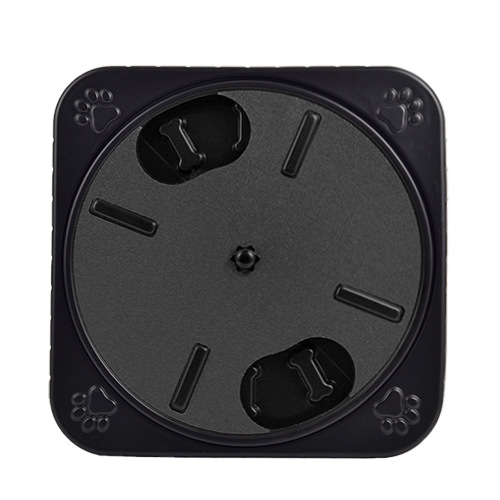
360° Rotating Cat & Dog Scratch Board – Claw Trimmer & Scratcher for Pet Nails with Treats – Essential Pet Products
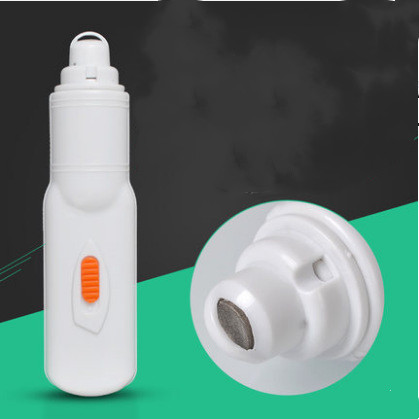
Pet Electric Nail Manicure Sharpener for Cats – Quick & Safe Grooming Tool
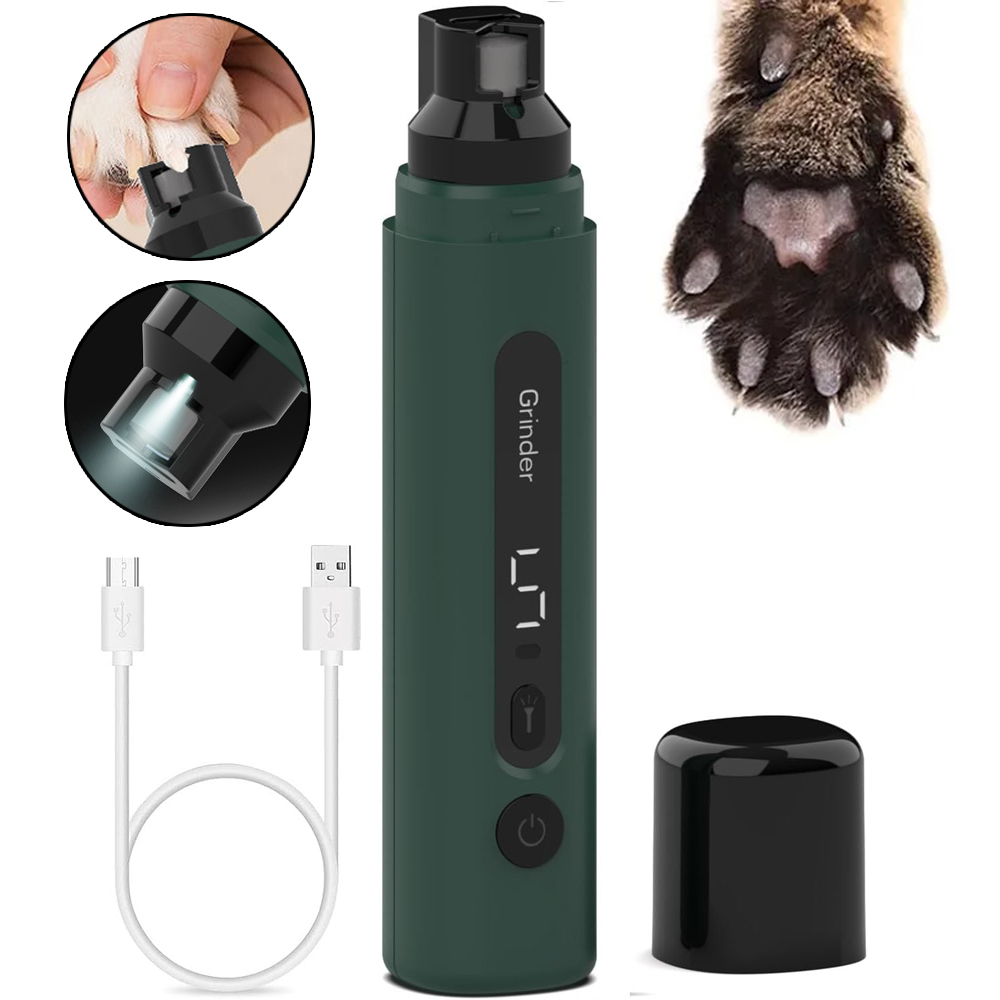
Electric Dog Nail Grinder – Rechargeable Quiet Pet Nail Trimmers with 5-Speed Settings for Small, Medium & Large Dogs and Cats – Claw Care Essentials