A torque wrench is an essential tool that can mean the difference between a perfectly secured joint and a catastrophic failure. Mastering the correct usage of this tool is vital for anyone working with machinery, automotive parts, or construction projects. Let’s delve into how to use a torque wrench effectively and ensure you avoid the pitfalls of overtightening.
Understanding the Torque Wrench
First and foremost, understanding the mechanics behind a torque wrench is crucial. This tool measures the amount of torque applied to a fastener, ensuring that it is tightened to the manufacturer’s specifications. Overtightening can lead to stripped threads, broken bolts, and costly repairs. By using a torque wrench, you not only ensure safety but also extend the lifespan of your components.
Selecting the Right Torque Wrench
To begin, select the right torque wrench for your project. There are various types available, including:
- Beam torque wrenches
- Click torque wrenches – emits an audible click when the desired torque is reached
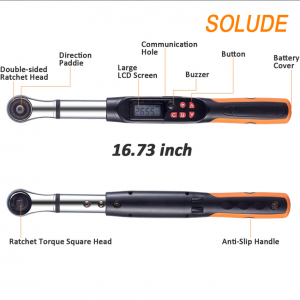
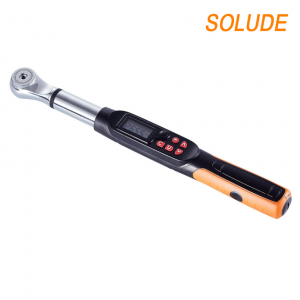
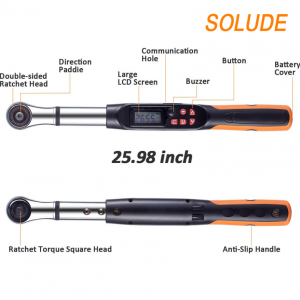
- Digital torque wrenches
Each type has its advantages. Investing in a high-quality torque wrench will pay dividends in accuracy and durability, making it a wise choice for both professionals and DIY enthusiasts.
Calibration and Specifications
Before starting, calibrate your torque wrench according to the manufacturer’s guidelines. Calibration ensures that your readings are accurate, giving you the confidence to apply the correct amount of torque. A well-calibrated wrench not only prevents overtightening but also promotes safety by reducing the risk of joint failure.
Familiarize Yourself with Torque Specifications
Next, familiarize yourself with the specific torque specifications for your project. This information can often be found in the user manual or product guidelines. Once you have the correct settings, it’s time to get to work.
Using the Torque Wrench
Position the wrench on the fastener and apply pressure evenly. Avoid using excessive force or jerking motions, which can lead to inaccurate readings and potential damage.
Listening for the Click
Pay attention to the sound or feel of the wrench as you approach the specified torque. For click-type wrenches, listen for the click that signals you’ve reached the right amount of torque. If you’re using a beam or digital wrench, monitor the gauge closely. The goal is to be gentle yet assertive, ensuring you stay within the specified range.
Post-Use Maintenance
Finally, always remember to reset your torque wrench to its lowest setting after use. This practice helps maintain the internal mechanisms and extends the lifespan of your tool. Proper care and maintenance of your torque wrench will ensure consistent performance over time, making it a reliable companion for all your projects.
Conclusion
Using a torque wrench correctly not only enhances your work quality but also safeguards your investments. By avoiding overtightening, you ensure that your projects are completed safely and efficiently. With the right techniques and a commitment to precision, you can wield this powerful tool like a pro. Embrace the art of torque wrenching and watch your work transform from ordinary to exceptional.