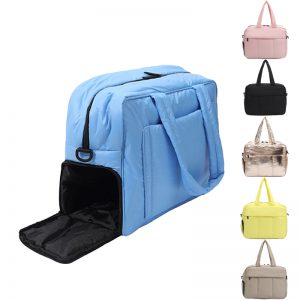
Yoga blocks are the unsung heroes of the yoga world, especially for beginners. These versatile tools can enhance your practice, provide support, and help you build strength and flexibility. If you’re just starting your yoga journey, understanding how to effectively incorporate yoga blocks can make a world of difference in your experience. Let’s explore some simple examples of how to use yoga blocks to elevate your practice and deepen your connection with your body.
Using Yoga Blocks for Balance
One of the most common uses for yoga blocks is to help with balance in poses like Triangle Pose (Trikonasana). If you find it challenging to reach your hand to the floor while maintaining proper alignment, placing a block under your hand can bring the ground closer to you. This adjustment allows you to focus on opening your hips and chest without straining your back. By using a block, you can cultivate a sense of ease and stability, making it easier to enjoy the benefits of the pose.
Enhancing Forward Fold
Another great example is in Forward Fold (Uttanasana). Many beginners struggle with tight hamstrings and lower back discomfort when trying to reach their toes. By placing a block under your hands, you can alleviate this tension. The block serves as an extension of your arms, allowing for a more comfortable and supported fold. This not only enhances your stretch but also encourages proper alignment in your spine, leading to a safer and more effective practice.
Improving Backbends
For those working on their flexibility in backbends, blocks can be a game-changer. In Bridge Pose (Setu Bandhasana), placing a block between your thighs can help engage your inner thighs and stabilize your pelvis. This small adjustment can make it easier to lift your hips and create a fuller, more expansive backbend. Plus, it allows you to focus on opening your heart without fear of overextending or straining your lower back.
Support in Seated Poses
In seated poses, yoga blocks can provide much-needed support. If you find sitting cross-legged uncomfortable, try sitting on a block. Elevating your hips allows your knees to drop closer to the ground, promoting a more relaxed and open posture. This simple adjustment can transform your seated practice, making meditation and breathwork more accessible and enjoyable.
Yoga Blocks for All Levels
As you explore these examples, remember that yoga blocks are not just for beginners; they can be valuable tools for practitioners at any level. They promote safety, enhance alignment, and allow for a deeper exploration of each pose. Investing in a set of high-quality yoga blocks can lead to a more fulfilling practice, helping you connect with your body in new and exciting ways.
Conclusion
In conclusion, incorporating yoga blocks into your routine opens up a world of possibilities. Whether you’re looking to:
- Improve balance
- Enhance flexibility
- Find comfort in seated poses
These blocks can provide the support you need to grow in your practice. So grab your blocks, and let them guide you on your journey to becoming a more confident and capable yogi.
Related products
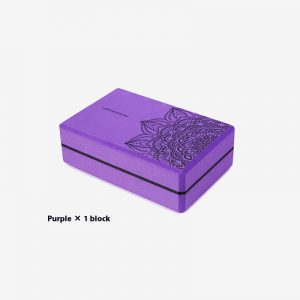
Premium High Density EVA Foam Yoga Block for Ultimate Support and Stability
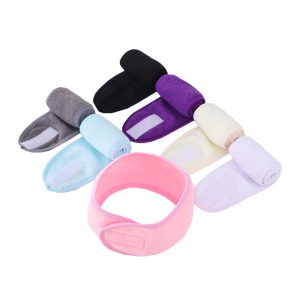
Stylish Women’s Makeup Yoga Headband – Perfect for Confinement Use
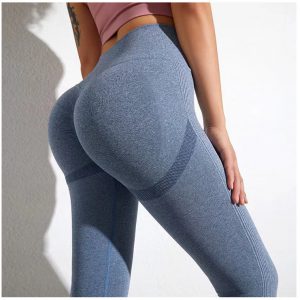
Butt Lifting Seamless Leggings for Women – Fitness Yoga Pants for Gym Use