Kinesiology tape has emerged as a game changer in the world of sports and rehabilitation, captivating athletes, trainers, and everyday fitness enthusiasts alike. But does it truly live up to the hype? Understanding when kinesiology tape can be beneficial and when it may not deliver the desired results is crucial for anyone looking to enhance their physical performance or recovery.
What is Kinesiology Tape?
First and foremost, kinesiology tape is renowned for its ability to provide support without restricting movement. This flexible tape mimics the elasticity of human skin, allowing for a full range of motion while stabilizing muscles and joints. When applied correctly, it can significantly alleviate pain, reduce swelling, and promote healing by improving circulation and lymphatic drainage.
Benefits of Kinesiology Tape
- Alleviates pain
- Reduces swelling
- Promotes healing
- Improves circulation and lymphatic drainage
Athletes often swear by it for injuries ranging from sprains to chronic conditions like tendinitis. The colorful, eye-catching designs also make it a popular choice for those who want to combine functionality with flair during competitions.
Limitations of Kinesiology Tape
However, kinesiology tape isn’t a miracle solution for every ailment. It’s essential to recognize its limitations. For instance, while it can assist in managing mild to moderate pain, it may not be effective for severe injuries that require medical intervention. Relying solely on tape for a serious condition can lead to further damage and prolonged recovery.
Additionally, if the underlying issue is not addressed—be it muscle imbalances, improper form, or inadequate strength training—taping alone won’t provide a long-term solution.
When to Use Kinesiology Tape
So, when should you reach for kinesiology tape? It’s ideal for:
- Preventive measures during high-intensity workouts
- Post-injury rehabilitation
- Managing discomfort from overuse
If you’re feeling sore after a tough run or experiencing slight instability in your knee during a game, kinesiology tape can offer that extra layer of support you need. Many professional athletes incorporate it into their routines, often seen sporting it during high-stakes competitions, which speaks volumes about its perceived efficacy.
When Not to Use Kinesiology Tape
On the flip side, if you’re dealing with acute injuries like fractures or dislocations, kinesiology tape should not replace proper medical assessment and treatment. It’s also worth noting that not everyone responds the same way to taping techniques; what works wonders for one person may not yield the same results for another.
Consult a Professional
To maximize the benefits of kinesiology tape, consider consulting a physical therapist or a trained professional. They can provide personalized advice on the best application techniques tailored to your specific needs, ensuring that you get the most out of this innovative tool.
Conclusion
In conclusion, kinesiology tape can be a powerful ally for athletes and active individuals when used appropriately. Understanding when it helps and when it doesn’t can make all the difference in your fitness journey. So, embrace the colorful support, but remember to listen to your body and seek professional guidance when necessary. With the right approach, you’ll find kinesiology tape can enhance your performance and recovery like never before.
Related products

Non-flaking Scratch-resistant Self-help Relief Cat Litter for TV Cats Supplies
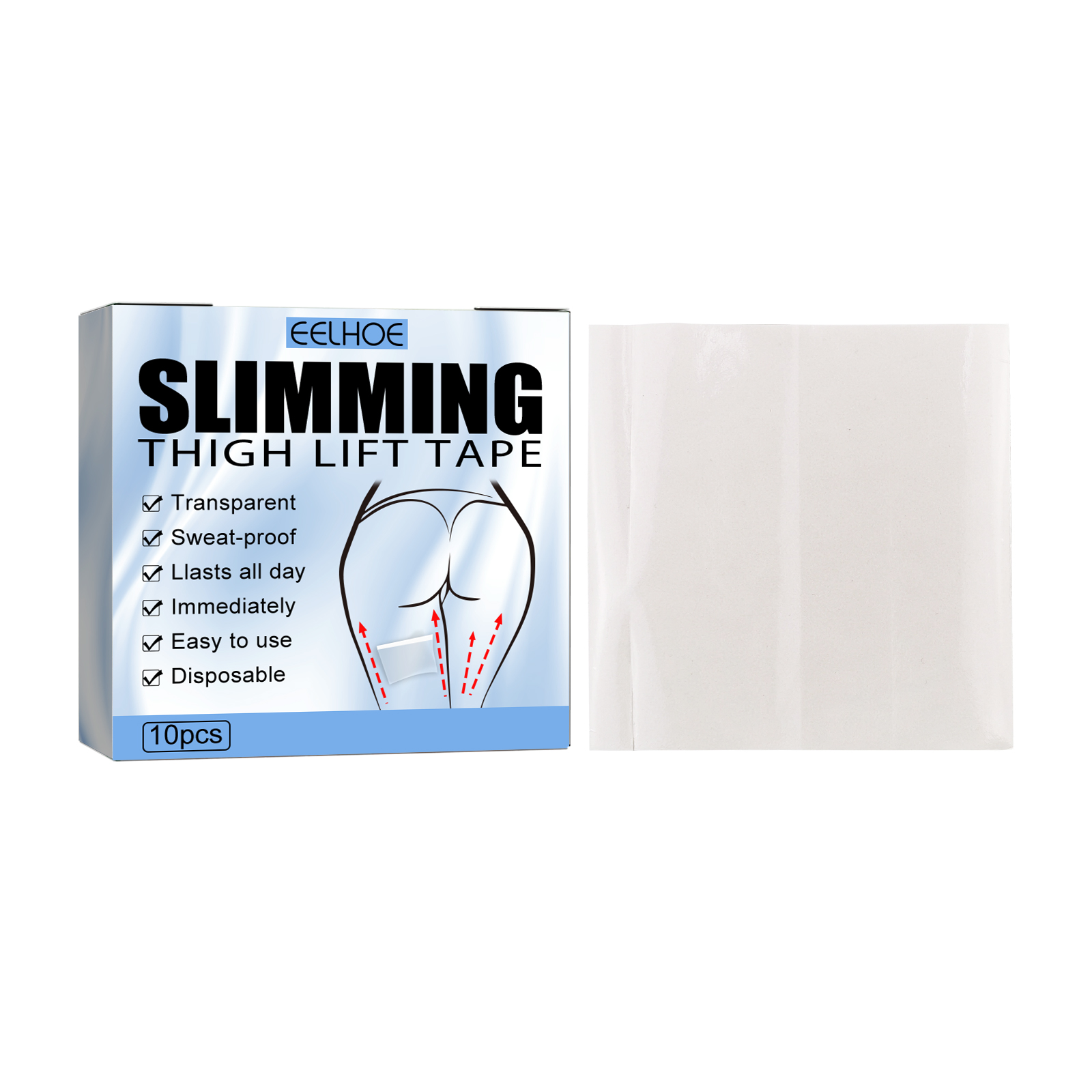
EELHOE Thigh Lifting Tape: Enhance Leg Muscles for Beautiful, Shaped Legs with a Soft Touch

Help Black Skin Cream – Natural, Comfortable Bronze for Radiant Skin