
Ladders are indispensable tools for reaching new heights, whether you’re a professional contractor or a DIY enthusiast. Yet, they can also be the source of serious accidents if not used properly. Understanding how to navigate ladder safety can make all the difference in keeping you and your crew safe. Here’s a comprehensive checklist to help you avoid common ladder-related accidents.
Inspect Your Ladder
First and foremost, inspect your ladder before each use. Look for any signs of wear and tear, such as cracks, loose rungs, or bent frames. A sturdy ladder is your first line of defense against falls. Investing in high-quality ladders can save you from potential injuries and costly accidents. Brands that prioritize durability and safety features will provide peace of mind while you work.
Choose the Right Ladder
Next, choose the right ladder for the job. The height and type of ladder should match the task at hand. For example:
- Using a step ladder for tasks that require more elevation can lead to instability.
- Opt for extension ladders when you need to reach higher places, ensuring they are rated for your weight and the weight of any tools you may be carrying.
This tailored approach not only enhances safety but also boosts your efficiency.
Position Your Ladder Correctly
Positioning your ladder correctly is crucial. Always:
- Place it on a stable, level surface.
- If you’re working on uneven ground, use ladder levelers to ensure a secure footing.
A ladder that wobbles is a recipe for disaster. Remember the three-point contact rule: maintain two hands and one foot, or two feet and one hand on the ladder at all times. This simple guideline can significantly reduce the risk of losing your balance.
Climbing Safely
While climbing, avoid carrying heavy tools or materials. Instead, use a tool belt or hoist your equipment up after you’re safely positioned. This practice not only keeps your hands free for climbing but also minimizes the risk of dropping tools that could cause injury to yourself or those below. Safety gear, such as hard hats and non-slip shoes, can further enhance your protection.
Communication is Key
Finally, never underestimate the importance of communication. If you’re working with a team, make sure everyone is aware of ladder placement and usage. Clear communication can prevent accidents that stem from unexpected movements or miscommunications about the work being done.
Cultivating a Safety Culture
Emphasizing ladder safety is not just about following guidelines; it’s about cultivating a culture of awareness and responsibility. By adhering to this checklist, you not only protect yourself but also those around you.
Invest in Safety
Investing in quality ladders and safety equipment, along with committing to best practices, ensures that every project can be executed safely and efficiently. Elevate your safety standards today—because reaching new heights should never come at the cost of your wellbeing.
Related products
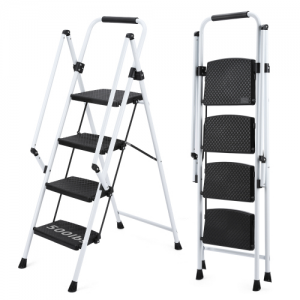
White Four-Step Ladder – Lightweight Folding Stool with Wide Anti-Skid Pedals, Safety Handle & Durable Steel Frame for Home, Kitchen & Office Use

Dog Car Seat Cover – Mesh Pet Carrier Hammock Safety Protector for Rear Seat with Zipper & Pocket – Ideal for Travel
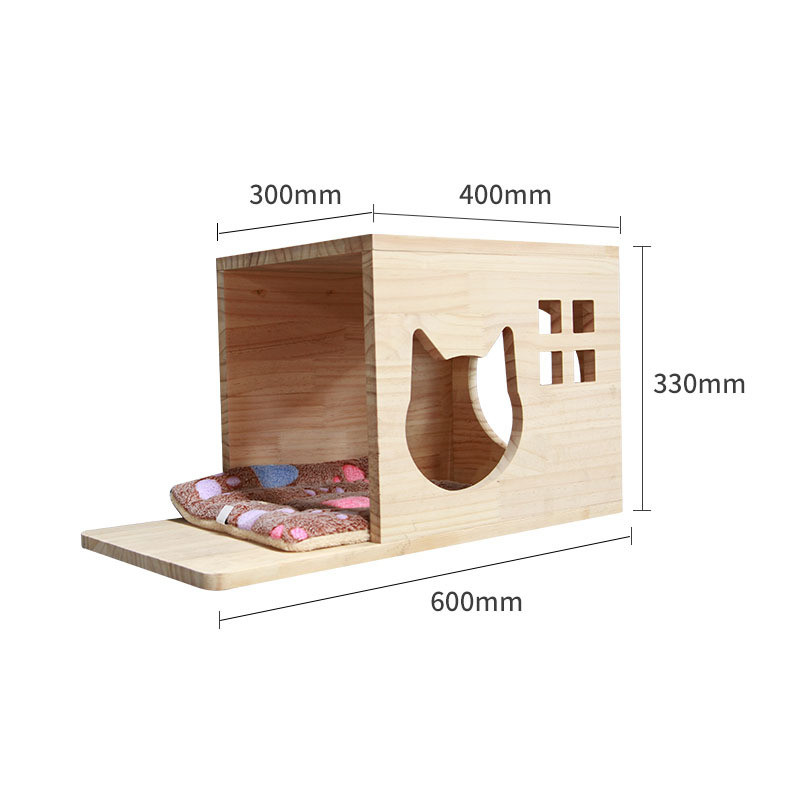
Wall-Mounted Cat Climbing Frame – Solid Wood Platform Ladder for Pets Accessories