Natural rubber yoga mats have surged in popularity among yoga enthusiasts, thanks to their eco-friendly appeal and exceptional performance. But are they the right choice for everyone? Let’s explore who will benefit most from these mats and who might want to steer clear.
Who Benefits from Natural Rubber Yoga Mats?
Eco-Friendly Yogis
Yoga practitioners who prioritize sustainability will find natural rubber mats particularly appealing. Made from renewable resources, these mats are biodegradable and free from harmful chemicals, making them a perfect choice for environmentally conscious yogis. Imagine stepping onto a mat that not only supports your practice but also supports the planet. With a natural rubber yoga mat, you can flow through your poses knowing that you’re contributing to a healthier Earth.
Athletes Seeking Performance
Athletes seeking superior grip and cushioning will also love natural rubber mats. The material offers a non-slip surface that enhances stability during intense sessions, allowing you to focus on your form without the distraction of slipping. The cushioning provided by natural rubber absorbs impact, protecting your joints during high-energy practices. This makes them an excellent option for dynamic styles like Vinyasa or Ashtanga, where movement is fluid and rapid.
Practitioners in Hot Environments
For those who practice in hotter environments, natural rubber mats can be a game-changer. They become stickier when wet, which means that as you sweat, your grip improves, keeping you grounded in your poses. This feature is especially beneficial for practitioners of hot yoga or Bikram, where humidity levels are elevated.
Who Should Avoid Natural Rubber Yoga Mats?
Individuals with Latex Allergies
However, natural rubber mats aren’t for everyone. Individuals with latex allergies should avoid them altogether, as natural rubber is derived from latex and can trigger allergic reactions.
Those Who Prefer Lightweight Mats
Similarly, those who prefer a lightweight mat for easy transport might find natural rubber mats on the heavier side. While the durability and performance of these mats are commendable, their weight can be a drawback for yogis who travel frequently or commute to classes.
Budget-Conscious Consumers
Budget-conscious consumers may also need to think twice. Natural rubber mats tend to be pricier than their synthetic counterparts. While the investment pays off in terms of longevity and performance, those just starting their yoga journey might prefer a more affordable option until they’re committed to their practice.
Conclusion
In conclusion, natural rubber yoga mats are a fantastic choice for eco-friendly yogis, athletes seeking performance, and those who enjoy hot yoga. However, they may not suit individuals with latex allergies, those who prioritize portability, or budget-minded beginners. By considering your unique needs and preferences, you can make an informed decision that enhances your yoga practice and aligns with your values. Step onto your mat with confidence, knowing it’s the right fit for you!
Related products
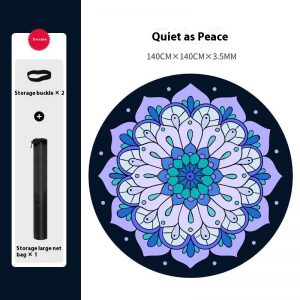
Professional Natural Rubber Round Yoga Mat for Ultimate Comfort and Performance

Custom Adorable Cartoon Silk Cloth Natural Rubber Mat for Unique Comfort

Interactive Dog Food Feeder Ball – Natural Rubber Chew Toy & Cat Puzzle Game for Training and Snack Time