When your vehicle’s dashboard lights up with a warning, it can feel like a scene from a suspense thriller. But before you let panic take the wheel, understanding OBD2 codes can empower you to handle the situation like a pro. These codes are your car’s way of communicating potential issues, and knowing how to interpret them is the first step toward effective troubleshooting.
Understanding OBD2 Codes
First, it’s essential to recognize that OBD2 (On-Board Diagnostics, version 2) codes are not the end of the world. They serve as diagnostic tools, providing insights into various systems within your vehicle. From engine performance to emissions control, these codes can pinpoint problems that may need attention. A simple check engine light could indicate anything from a loose gas cap to a more serious engine issue. The key is not to jump to conclusions.
Investing in an OBD2 Scanner
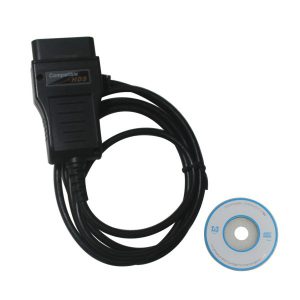
Before you reach for your phone to call a mechanic, consider investing in an OBD2 scanner. These handy devices allow you to read the codes yourself, giving you a clearer picture of what might be going wrong. Many models are user-friendly, designed for even the least tech-savvy car owner. By having this tool at your disposal, you can save time, reduce stress, and avoid unnecessary trips to the shop.
Researching the Codes
Once you have the code, research is your next step. Numerous online resources can help you decipher what the code means. Websites, forums, and even mobile apps can provide you with detailed information and potential fixes. Knowing the specifics can guide you in determining whether the issue is something you can handle on your own or if it requires professional attention.
Taking Action on Minor Issues
If the code points to a minor issue, don’t hesitate to take action! Simple repairs, like:
- Replacing a faulty sensor
- Tightening a loose connection
can often be done at home. With the right tools and a bit of confidence, you can tackle many common problems without the expense of a mechanic’s labor costs.
Consulting a Professional for Serious Problems
However, if the code indicates a more serious problem, it’s wise to consult a professional. Ignoring a critical issue could lead to more extensive damage and higher repair costs down the line. By taking a proactive approach, you not only protect your vehicle but also ensure your safety on the road.
Conclusion
In summary, when faced with OBD2 codes, equip yourself with knowledge and tools before letting panic set in. An OBD2 scanner is your first line of defense, helping you to decode what your car is trying to tell you. Whether it’s a minor fix or a signal to seek professional help, understanding these codes puts you in control. So the next time that check engine light flickers to life, breathe easy and remember: you’ve got this!
Related products
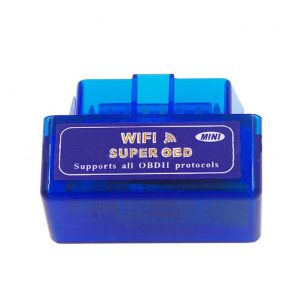
Discover the Latest ELM327 WIFI V1.5 OBD2 Auto Code Reader with Wi-Fi Connectivity

Erborian Moisturizing Correcting CC Cream – Waterproof, Anti-Sweat Makeup for Lasting Skin Protection Before Concealer
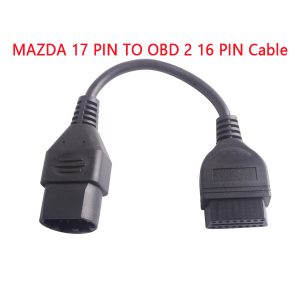
17 Pin to OBD2 16 Pin Adapter Cable – High-Quality Diagnostic Connector