
The choice between a portable monitor and a tablet as a second screen can significantly impact your productivity and overall user experience. Each option has its unique strengths and weaknesses, making it essential to understand which suits your lifestyle and needs better.
Portable Monitors
Portable monitors are designed with multitasking in mind. They offer a larger display area, typically ranging from 15 to 17 inches, which makes them ideal for extensive work tasks, gaming, or watching movies. The crisp resolution and vibrant colors found in many portable monitors elevate your viewing experience, allowing for sharper text and clearer images.
Plus, the connectivity options are often extensive, including HDMI and USB-C ports, making it easy to plug and play with various devices. This versatility is a game changer for professionals who require seamless transitions between devices.
Tablets
On the flip side, tablets boast unparalleled portability and versatility. Lightweight and compact, they fit snugly into most bags, making them a perfect travel companion. Tablets can run a variety of applications, allowing users to switch from work to entertainment effortlessly.
Many modern tablets support stylus input, turning them into powerful tools for creative professionals, whether you’re:
- Sketching
- Note-taking
- Editing documents
The convenience of touchscreens adds an intuitive layer of interaction that can enhance your productivity on the go.
Comparative Analysis
However, while portable monitors excel in screen real estate, they often lack the standalone functionality of tablets. They require a connection to a primary device, which can be a limitation in situations where you need flexibility. Additionally, many portable monitors can be bulkier than tablets, making them less ideal for quick trips or casual use.
Tablets, despite their advantages, can sometimes fall short in terms of performance when used as secondary displays. While they can mirror your primary device, the experience might not be as fluid, especially when running resource-intensive applications. Furthermore, the smaller screen size may hinder multitasking, particularly for users accustomed to larger displays.
Conclusion
Ultimately, the decision between a portable monitor and a tablet hinges on your specific needs. If your work demands a larger, high-quality display and you often work from a fixed location, a portable monitor is likely your best bet. Conversely, if you prioritize mobility, versatility, and the ability to switch between tasks quickly, a tablet may be the superior choice.
Choosing the right second screen can transform your workflow, so take a moment to consider how you work best. Whether you lean towards the expansive capabilities of a portable monitor or the nimble nature of a tablet, both options hold the potential to enhance your digital experience.
Related products

Tempered Film Second Sticker Mobile Phone Screen Protector – Dust Removal & Easy Application

One Second Folding 14-Inch Ultra Portable Bicycle for Easy Travel
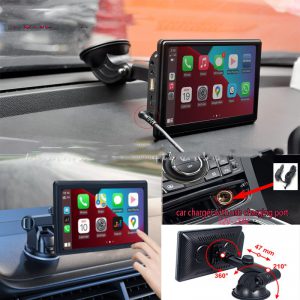
Portable IPS Car Smart Screen – Wireless Projection for Carplay & Android AUTO