When it comes to hair care, achieving the perfect balance is essential for vibrant, healthy strands. Two common issues that plague many individuals are protein overload and moisture overload. Understanding the signs of these conditions and how to remedy them can transform your hair from lackluster to lustrous.
Understanding Protein Overload
Protein overload occurs when hair is bombarded with too much protein, leading to stiffness, brittleness, and breakage. If you notice your hair feeling unusually rough or straw-like, or if it becomes hard to manage, you may be experiencing protein overload. This can often result from overusing products that are high in protein, such as certain conditioners and treatments.
Signs of Protein Overload
- Hair feels rough or straw-like
- Difficulty in managing hair
- Increased brittleness and breakage
How to Remedy Protein Overload
To remedy this, consider incorporating a clarifying shampoo to remove excess product buildup and follow up with a deep moisturizing treatment. Look for products rich in hydrating ingredients like aloe vera or glycerin, which can help restore balance.
Understanding Moisture Overload
On the flip side, moisture overload happens when your hair absorbs too much moisture, resulting in a mushy texture that lacks definition and resilience. This condition can lead to excessive frizz and a lack of curl or wave pattern. If your hair feels overly soft and limp, it may be time to assess your moisturizing routine.
Signs of Moisture Overload
- Hair feels mushy and lacks definition
- Excessive frizz
- Limp hair with no curl or wave pattern
How to Remedy Moisture Overload
Reducing the frequency of heavy conditioners and switching to lighter formulations can help. Moreover, incorporating protein-rich treatments can give your hair the strength it craves, reinstating that essential balance.
Navigating the Balance
Navigating the fine line between these two extremes can feel daunting, but it’s crucial for maintaining healthy hair. Using quality products that address your specific hair needs is key. For those struggling with protein overload, a well-formulated deep conditioner that is low in protein can work wonders. Conversely, if moisture overload is your concern, look for treatments that provide a protein boost without weighing your hair down.
Conclusion
Ultimately, understanding the signs of protein and moisture overload empowers you to take control of your hair health. By making informed choices about the products you use and the routines you follow, you can achieve and maintain the vibrant, healthy hair you desire. Don’t let protein or moisture overload hold you back; invest in your hair today and let it shine!
Related products
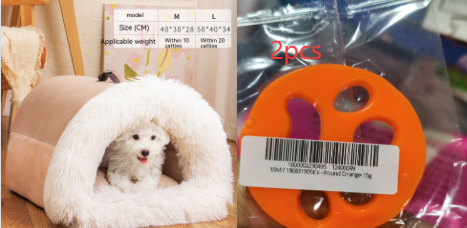
New Splice Portable Pet Nest – Cozy Autumn & Winter Dog & Cat Nest, Moisture-Proof Long Fur Design, Perfect Cross-Border Pet Shelter
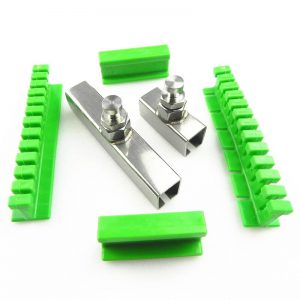
Effective Car Depression Repair Tools for Easy Auto Body Fixes
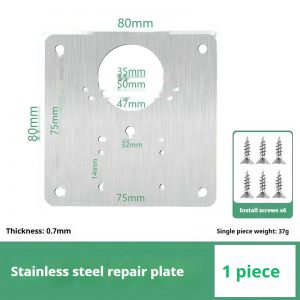
Durable Stainless Steel Cabinet Door Hinge Repair Patch for Quick Fixes