Understanding the subtle yet significant differences between screw types can elevate your projects from good to exceptional. Phillips, Pozidriv, and JIS screws are often seen as interchangeable, but each has unique characteristics that can greatly impact performance and efficiency. Choosing the right screw can save time, prevent damage, and enhance the overall quality of your work.
Phillips Screws
Phillips screws, easily recognizable by their cross-shaped design, are a staple in many households and industries. Their self-centering feature allows for quick engagement with the screwdriver, making them a go-to choice for many DIY enthusiasts and professionals alike. However, their design can lead to cam-out, where the screwdriver slips out of the screw head under high torque. This not only slows down the process but can also strip the screw head, leading to frustration and wasted materials.
Pozidriv Screws
Enter the Pozidriv screw, which builds on the Phillips design by adding additional ribs between the cross slots. This enhancement minimizes cam-out and allows for greater torque application, making it ideal for applications where precision is crucial. If you’re working on furniture assembly or cabinetry, Pozidriv screws will not only make your job easier but will also ensure a tighter, more secure fit. With their superior grip, these screws help maintain the integrity of your projects, providing long-lasting results.
JIS Screws
On the other side of the globe, the Japanese Industrial Standard (JIS) screw offers a different approach. While it may look similar to Phillips, the JIS screw is specifically designed to prevent cam-out, thanks to its unique head shape and deeper engagement with the driver. This makes JIS screws the preferred choice in many Japanese manufacturing settings, especially for electronics and automotive applications where precision is paramount. By opting for JIS screws, you can expect enhanced performance, reducing the risk of stripping and ensuring a reliable connection.
Choosing the Right Screw
Choosing between Phillips, Pozidriv, and JIS doesn’t have to be daunting. Consider the specifics of your project:
- The materials you are working with
- The torque requirements
- The tools at your disposal
Investing in the right type of screw can significantly streamline your workflow and improve the durability of your final product. Whether you are a seasoned professional or a weekend warrior, understanding these distinctions will empower you to make informed decisions, ultimately leading to superior outcomes.
Conclusion
In conclusion, each screw type has its own advantages tailored to different applications:
- Phillips screws are convenient for general use.
- Pozidriv screws offer enhanced torque and grip for demanding tasks.
- JIS screws provide precision for high-stakes projects.
Equip yourself with the right knowledge and tools, and watch as your projects transform from ordinary to extraordinary. Don’t let the wrong screw derail your efforts; choose wisely and enjoy the benefits of craftsmanship done right.
Related products
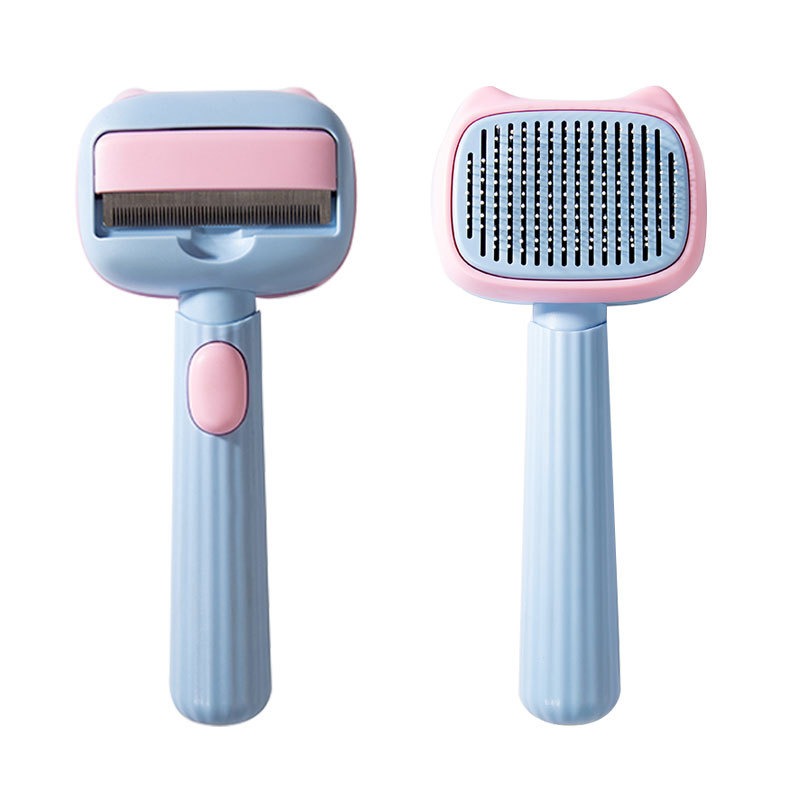
Pet Grooming Brush – Dog Deshedding Tool for Large Dogs & Cats, Dematting Comb to Reduce Shedding for All Hair Types
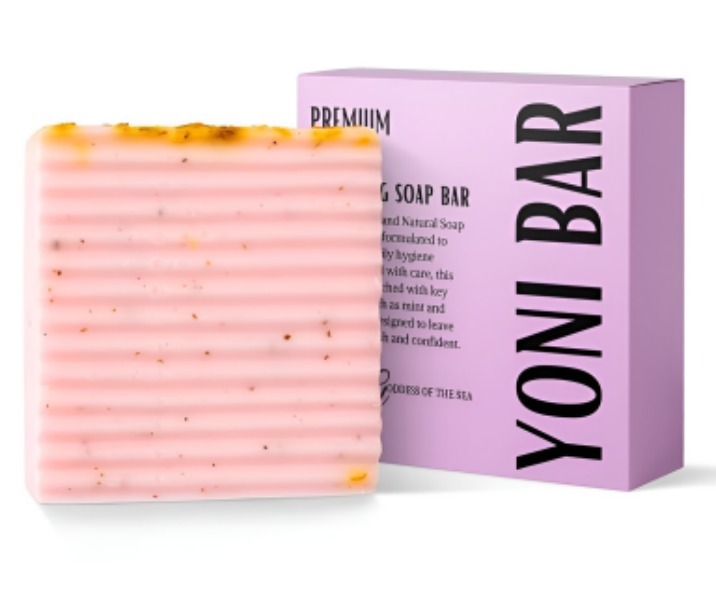
Gentle Purple Soap for All Skin Types – Natural Plant Extracts for Deep Cleansing, Soothing, Moisturizing, and Brightening Skin
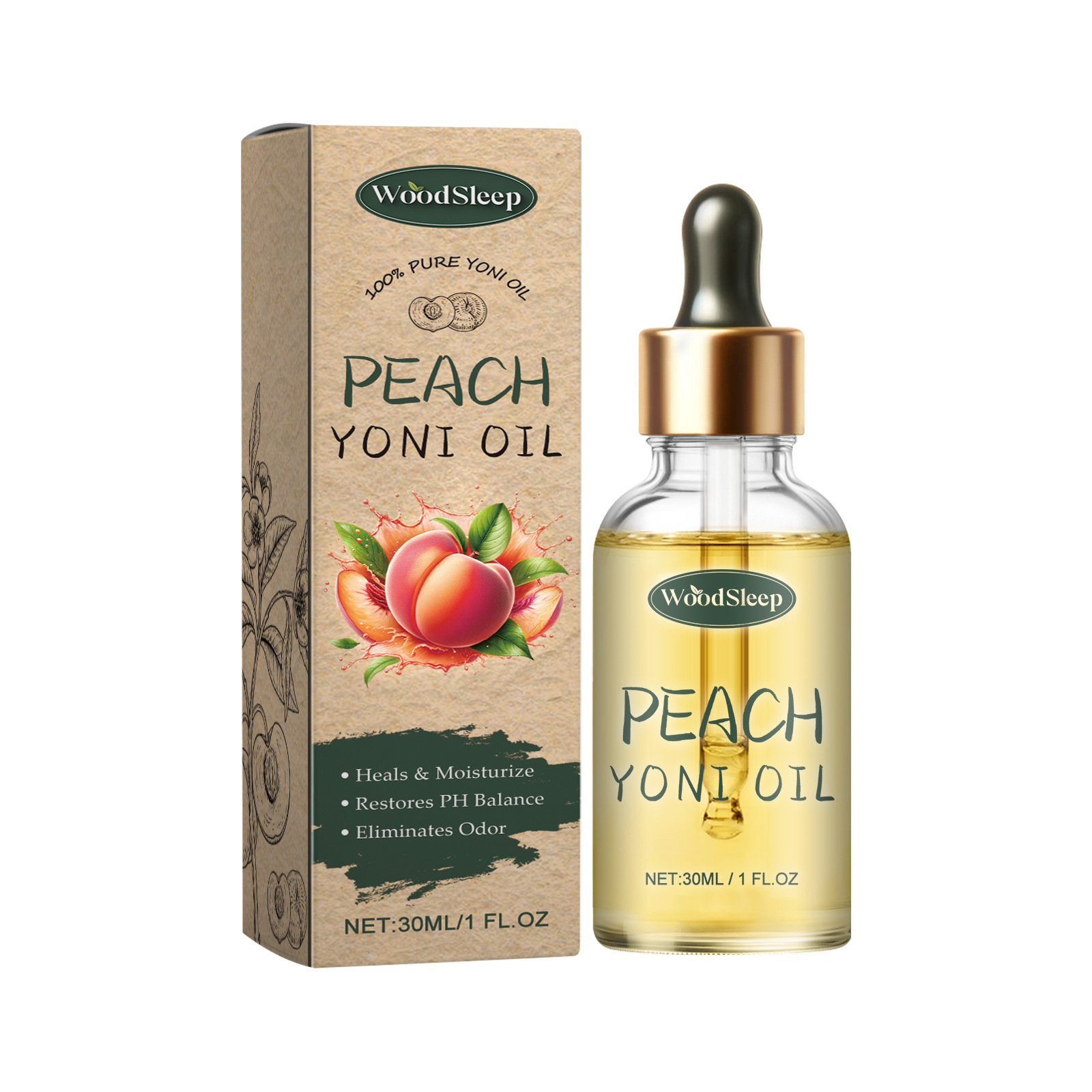
Women’s Firming Treatment Oil – Gentle, Non-Irritating Formula for All Skin Types