
Choosing the right sunscreen can be a daunting task, especially when faced with the SPF numbers that seem to promise a world of protection. SPF 30 and SPF 50 are two popular options, but how much difference does that extra 20 in SPF really make? The answer might surprise you, and it could change the way you protect your skin from harmful UV rays.
Understanding SPF
SPF, or Sun Protection Factor, is a measure of how well a sunscreen can protect your skin from UVB rays, the primary cause of sunburn and skin cancer. SPF 30 blocks about 97% of UVB rays, while SPF 50 increases that protection to approximately 98%. At first glance, the difference may seem minimal, but that 1% could mean the world for those with sensitive skin or a history of skin cancer.
The Importance of Reapplication
Imagine spending a beautiful day at the beach, soaking up the sun, but forgetting to reapply your sunscreen. With SPF 30, you might get burnt sooner than you think. SPF 50, on the other hand, provides that added peace of mind, especially for those long hours under the sun. It’s not just about the numbers; it’s about the confidence that comes with knowing you’re better protected.
Formulation Matters
Beyond the numbers, the formulation of sunscreen plays a crucial role in its effectiveness. Many SPF 50 products come packed with additional:
- Moisturizing agents
- Antioxidants
- Skin-soothing ingredients
These not only protect but also nourish your skin. Brands are stepping up their game, offering sunscreens that are:
- Lightweight
- Non-greasy
- Water-resistant
These features make them perfect for active lifestyles.
Considerations for Families
For families with children, the choice between SPF 30 and SPF 50 can be even more significant. Kids’ skin is particularly sensitive, and opting for a higher SPF can help shield them from the sun’s harsh rays. Look for kid-friendly formulations that are gentle yet effective, ensuring that your little ones can play freely while staying protected.
Convenience of Application
Let’s not forget about the convenience factor. Higher SPF sunscreens often come in more user-friendly forms—think sprays, sticks, and gels—that make application a breeze, especially on squirmy kids or when you’re on the go. The right sunscreen should fit seamlessly into your daily routine, making protection a habit rather than a chore.
Making the Right Choice
Ultimately, the choice between SPF 30 and SPF 50 boils down to your lifestyle, skin type, and the activities you engage in. For those who:
- Spend extended periods outdoors
- Have fair skin
- Are prone to sunburn
SPF 50 may be the wiser choice. However, SPF 30 can still provide adequate protection for everyday use, especially if you’re diligent about reapplying.
Conclusion
When it comes to sun safety, don’t leave anything to chance. Invest in a quality sunscreen that suits your needs, and remember to apply generously and frequently. Whether you choose SPF 30 or SPF 50, the key is to enjoy the sun safely while keeping your skin healthy for years to come. Your skin will thank you for it!
Related products
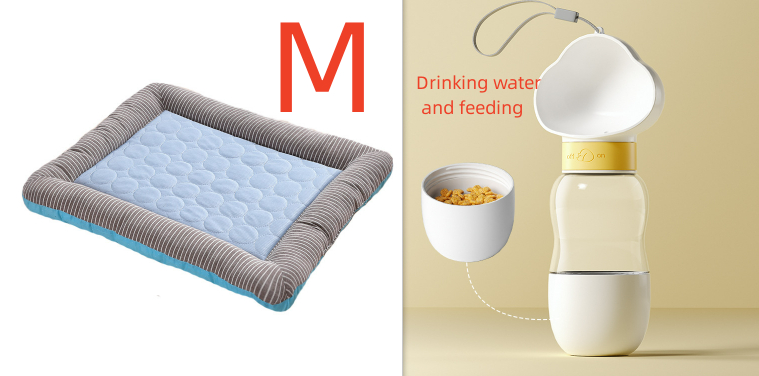
Cooling Pad Bed for Dogs & Cats – Soft Ice Silk Mat for Summer Comfort, Blue Breathable Pet Blanket

2 In 1 Dog and Cat Bed – Cozy Round Plush Winter Bed House for Pets

Dog Car Seat Cover – Mesh Pet Carrier Hammock Safety Protector for Rear Seat with Zipper & Pocket – Ideal for Travel