
Choosing the right utility knife blade can make or break your project. Whether you’re a professional tradesperson or a DIY enthusiast, understanding the various blade types available ensures you have the right tool for every task at hand.
Types of Utility Knife Blades
Utility knife blades come in several shapes and materials, each tailored for specific applications. The most common types include:
- Straight Blades
- Serrated Blades
- Hooked Blades
Straight Blades
Straight blades are your go-to for precision cutting. Ideal for slicing through cardboard, paper, or even fabric, these blades offer a clean edge and are perfect for detailed work. They excel in applications where accuracy is paramount, making them indispensable for packaging, crafts, and general home use.
Serrated Blades
Serrated blades, on the other hand, shine when it comes to cutting tougher materials. Think rope, carpeting, or even some types of wood. The saw-like edges grip and tear through fibrous substances with ease, providing a significant advantage over straight blades in specific scenarios. If you find yourself working with items that require more than just a clean cut, reach for a serrated blade to tackle the challenge head-on.
Hooked Blades
For those situations where safety and efficiency are key, hooked blades are a game changer. Designed to minimize the risk of cutting into underlying surfaces or damaging the contents of packages, these blades are perfect for box cutting. The unique design allows you to slice open boxes without worrying about what lies beneath. This makes them a favorite among warehouse workers and shipping professionals who prioritize both speed and safety.
Blade Materials
Beyond the shape, the material of the blade is also crucial. The most common materials include:
- High-Carbon Steel Blades: Known for their sharpness and edge retention, making them ideal for prolonged use.
- Stainless Steel Blades: While slightly less sharp, they resist corrosion and are perfect for environments where moisture is a concern.
- Bi-Metal Blades: Combine the best of both worlds, offering a balance of durability and performance.
Choosing the Right Blade for the Job
Knowing when to use each blade type can drastically improve your workflow. For instance:
- If you’re packaging materials for shipping, a Straight Blade is ideal for precise cuts.
- A Serrated Blade can help when dealing with thicker, tougher materials.
- A Hooked Blade can save time and reduce accidents, allowing you to focus on efficiency rather than worrying about cutting through the surface below.
Investing in Versatile Utility Knives
Investing in a versatile utility knife with interchangeable blades can enhance your toolkit, providing flexibility for various tasks. Many modern utility knives feature easy blade swapping mechanisms, allowing you to switch between blade types quickly and efficiently, so you’re always prepared.
Conclusion
In conclusion, understanding utility knife blade types empowers you to select the right tool for any job. By leveraging the advantages of Straight, Serrated, and Hooked Blades, you’ll not only enhance your efficiency but also achieve better results in your projects. Equip yourself with the right blades, and watch your work transform from ordinary to exceptional!
Related products
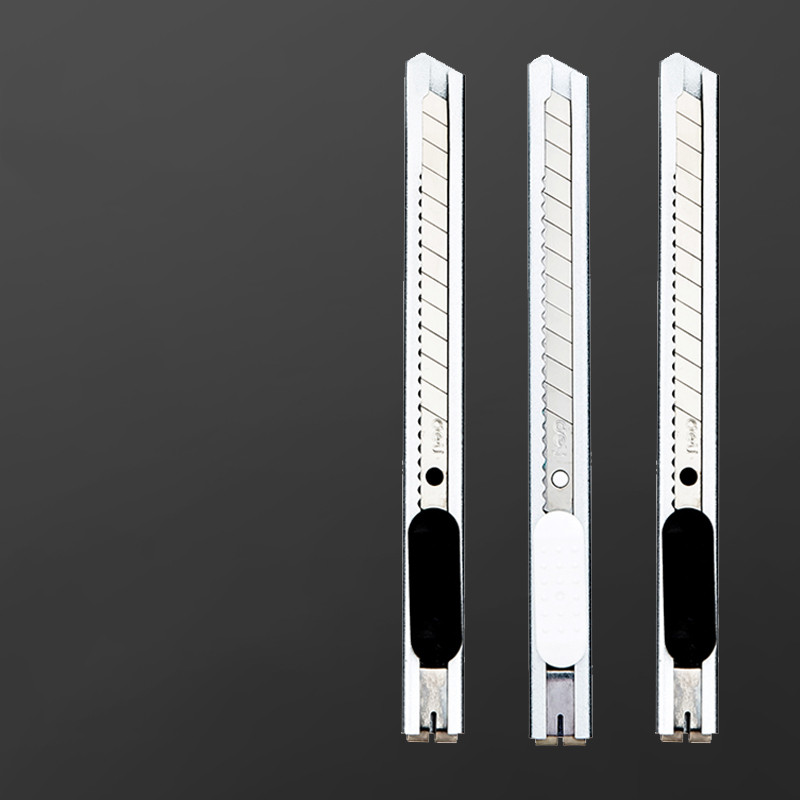
Utility Knife Blades for Art Students – Essential Tools for Creativity

Alloy Outdoor Folding Knife with Removable Blade for Versatile Use
Double-Layer Half-Blade Knife Holder for Manual Shaving – Suspension Knife Head Shaver
