The battle for charging supremacy is heating up, and two titans have emerged: USB-C Power Delivery (PD) and Quick Charge. If you’re tired of waiting for your devices to juice up, understanding the differences between these two charging technologies can make all the difference in your daily tech experience.
USB-C Power Delivery: The Future of Charging
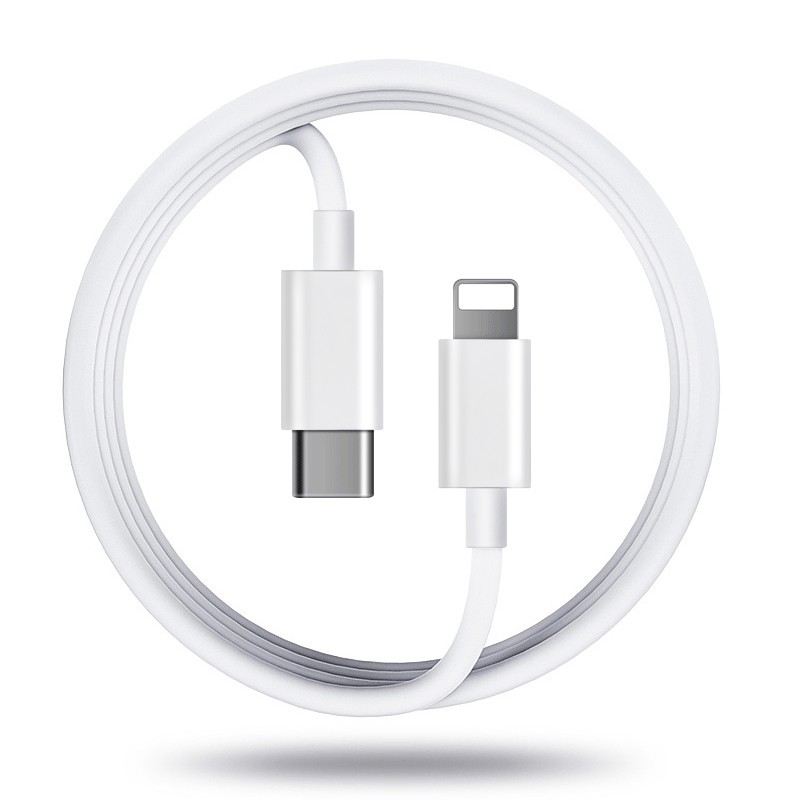
USB-C PD is the future of charging, offering versatility and efficiency. This technology isn’t just about speed; it’s about smart power management. USB-C PD can deliver up to 100 watts of power, making it suitable not only for smartphones but also for laptops and other high-demand devices. Imagine charging your laptop and phone simultaneously with a single cable—USB-C PD makes this a reality. With its ability to adjust voltage and current based on the device’s needs, it ensures that your devices receive the optimal charge without overheating or overloading.
Quick Charge: Speed at Its Best
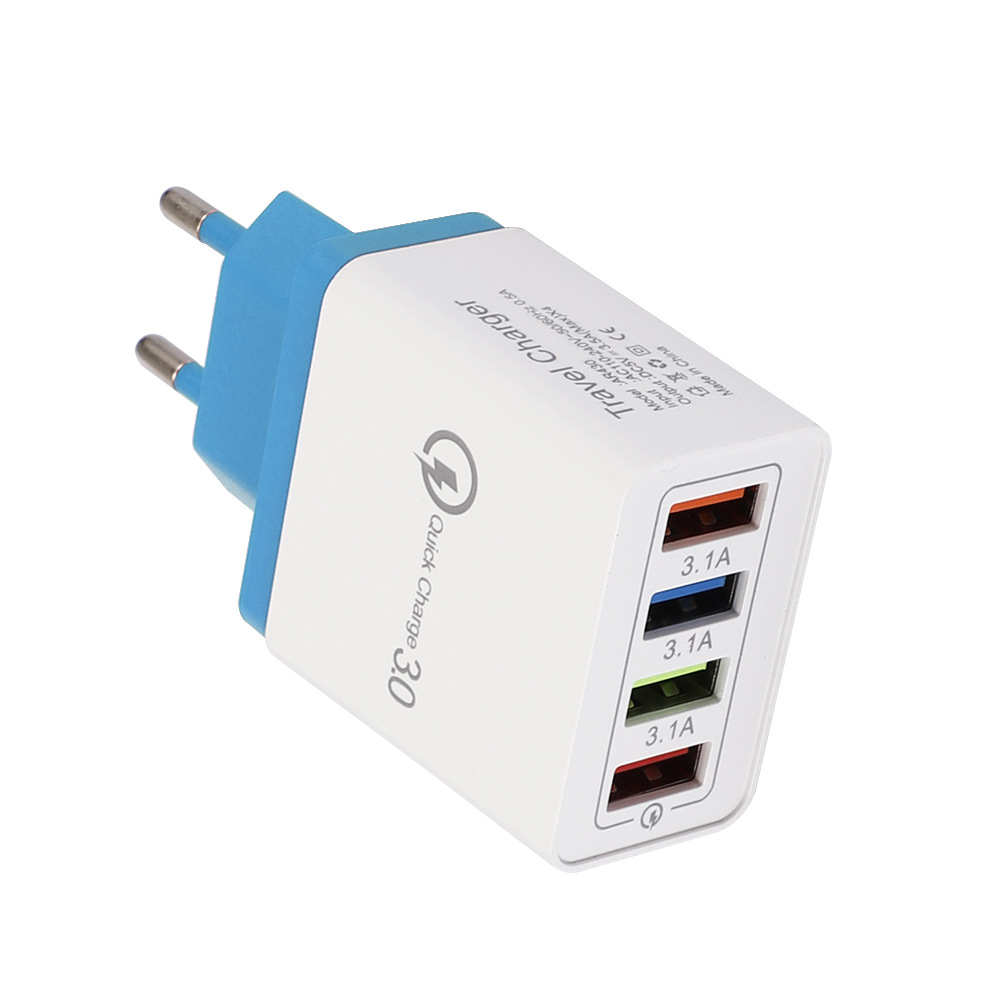
On the other hand, Quick Charge, developed by Qualcomm, has carved its niche in the smartphone market. Quick Charge is all about speed, allowing compatible devices to charge significantly faster than traditional methods. Depending on the version (with Quick Charge 4+ being the latest), it can deliver up to 27 watts of power. This technology is particularly advantageous for users who are always on the go and need to quickly power up their devices during a short break. Quick Charge is designed to work seamlessly with a variety of devices, ensuring that your smartphone is ready to go in no time.
Choosing the Right Technology for You
While both technologies have their merits, the choice ultimately comes down to your specific needs. Consider the following:
- If you seek a universal solution that adapts to multiple devices, USB-C PD is your best bet. It’s like having a Swiss Army knife in your charging arsenal—one cable to rule them all.
- Conversely, if you primarily use a smartphone and want lightning-fast charging capabilities, Quick Charge is hard to beat.
Compatibility Matters
Moreover, compatibility plays a crucial role in this decision. USB-C PD is becoming the industry standard, featured in many modern devices across brands. This means that investing in a USB-C PD charger could set you up for a seamless charging experience with future devices. Quick Charge, while popular, is primarily found in devices that utilize Qualcomm chipsets, which may limit its reach.
Convenience and Versatility
When it comes to convenience, both options shine, but USB-C PD offers a more holistic approach. With its bidirectional charging capabilities, you can not only charge devices but also use them to power other gadgets. This feature is particularly useful for travelers or those who carry multiple devices, as it minimizes the number of chargers you need.
Conclusion
In summary, whether you lean towards USB-C PD or Quick Charge depends on your lifestyle and device ecosystem. Both technologies are designed to enhance your charging experience, but understanding their unique features can help you make an informed decision. Embrace the future of charging with the technology that best suits your needs, and never be tethered to an outlet longer than necessary again!