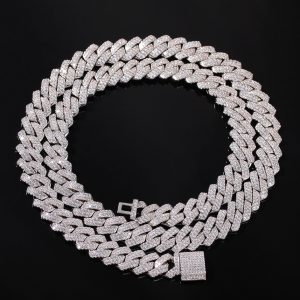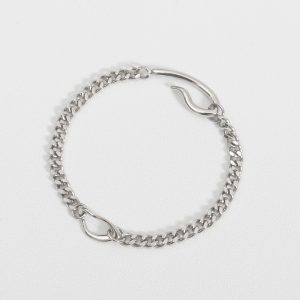
The allure of jewelry can often be lost when viewed through the lens of a camera, leaving potential buyers puzzled about the stark contrast between the radiant pieces in person and their lackluster photographic representations. Understanding how lighting affects the appearance of jewelry is essential for capturing its true beauty and making it shine in images.
Utilizing Natural Light
Natural light is your best friend when it comes to photographing jewelry. The soft, diffused rays of the sun bring out the intricate details and vibrant colors of gemstones, making them sparkle like stars. Try positioning your jewelry near a window during the golden hour, just after sunrise or before sunset, to achieve that enchanting glow. This warm light not only highlights the craftsmanship but also adds depth to the piece, creating an inviting visual experience that entices viewers.
Controlled Lighting Options
For those who prefer a controlled environment, consider investing in softbox lights or ring lights. These lighting tools eliminate harsh shadows and create a uniform glow, allowing the jewelry to shine without distractions. Positioning the lights at a 45-degree angle can provide dimension, giving your jewelry a three-dimensional look that flatters its design. Experimenting with the distance of the lights can also yield stunning results, as moving them closer or further away can dramatically change the mood of the photograph.
Enhancing with Reflective Surfaces
Reflective surfaces can work wonders in jewelry photography. A simple piece of white paper or a mirror can bounce light back onto your jewelry, enhancing its sparkle and drawing attention to its finer details. This technique can be particularly effective for silver and gold pieces, which can easily absorb light and lose their luster in photographs. By carefully placing reflective materials around your setup, you can create a captivating interplay of light and shadow that enhances the visual appeal of your jewelry.
Choosing the Right Background
Don’t underestimate the power of background choices, either. A neutral backdrop allows the jewelry to take center stage, while textured surfaces can add an artistic flair. Consider using materials like:
- Velvet – which complements the jewelry and adds richness.
- Wood – which creates an inviting atmosphere in the photo.
The right background can tell a story, evoking emotions and associations that make your jewelry even more desirable.
Post-Processing Techniques
Lastly, post-processing is a valuable tool in your photography arsenal. Adjusting brightness, contrast, and saturation can bring your images to life, making colors pop and details sharper. However, it’s crucial to maintain the authenticity of the piece; over-editing can mislead potential buyers and diminish their trust in your brand. Strive for a balance that enhances the jewelry while staying true to its original beauty.
Conclusion
By mastering the art of lighting, you can transform your jewelry photography from ordinary to extraordinary. Whether you’re a small business owner looking to elevate your online presence or a hobbyist wanting to showcase your collection, these lighting tips will empower you to capture the enchanting essence of your jewelry. Let your pieces shine in every photograph, inviting admirers to explore the craftsmanship and beauty you have to offer.