
The allure of a waterproof phone case is undeniable, especially for those who lead an active lifestyle or simply want peace of mind when it comes to their devices. Imagine capturing breathtaking moments by the poolside, hiking through misty trails, or enjoying a spontaneous beach day without the nagging fear of water damage. Waterproof phone cases offer the promise of protection against one of technology’s greatest threats—water. However, before diving into the world of waterproof accessories, it’s essential to weigh the pros and cons and understand how to ensure your investment truly holds up against leaks.
Advantages of Waterproof Phone Cases
One of the most significant advantages of waterproof phone cases is their ability to safeguard your device from accidental spills, splashes, and even full submersion. Designed with robust materials, these cases provide a barrier against moisture, dirt, and debris, ensuring that your phone stays safe during all your adventures. Whether you’re a traveler, a parent, or someone who simply loves the outdoors, the peace of mind that comes with knowing your phone can withstand water exposure is invaluable. Many models also boast added features like shock resistance, offering double the protection against drops and impacts.
Drawbacks to Consider
However, not all waterproof cases are created equal. One common drawback is that some may add bulk to your phone, making it less sleek and more cumbersome to carry. Additionally, while many cases boast impressive waterproof ratings, it’s crucial to understand that these ratings can vary widely. Not every case can withstand the same depth or duration of water exposure, so it’s essential to check the specifications and user reviews thoroughly. A case that claims to be waterproof but fails during a leak test can lead to costly repairs or replacements.
Leak Tests: A Critical Assessment
Speaking of leak tests, they are a critical part of assessing the reliability of a waterproof case. A simple yet effective method is to perform a dry test: place a small piece of tissue or paper towel inside the case, seal it, and submerge it in water for a specified period. After retrieving the case, check for any moisture on the tissue. If it remains dry, you can feel confident about your case’s waterproof claims. Always remember to follow the manufacturer’s guidelines regarding depth and duration to avoid mishaps.
Practical Considerations
Moreover, it’s important to consider the practical aspects of using a waterproof case. While they provide substantial protection, some users may find that touchscreen functionality is hindered when the phone is encased. This can be particularly frustrating in situations where quick access to apps or features is necessary. Additionally, the sound quality during calls and media playback can be affected due to the added layers of protection.
Making the Decision
Ultimately, the decision to invest in a waterproof phone case hinges on your lifestyle and needs. If you frequently find yourself near water or engage in outdoor activities, the advantages far outweigh the cons. With a plethora of options available—from slim, stylish designs to rugged, heavy-duty cases—there’s a perfect fit for everyone.
Conclusion
In conclusion, waterproof phone cases represent a smart investment for safeguarding your device against the unpredictability of water exposure. By understanding their benefits and limitations, you can confidently choose a case that not only enhances your phone’s durability but also complements your adventurous spirit. So go ahead, take the plunge, and embrace the freedom that a waterproof phone case brings to your everyday life!
Related products

Heat Storage Blanket for Cats, Puppies, and Dogs – Waterproof, Leak-proof, Small Constant Temperature Pet Mat
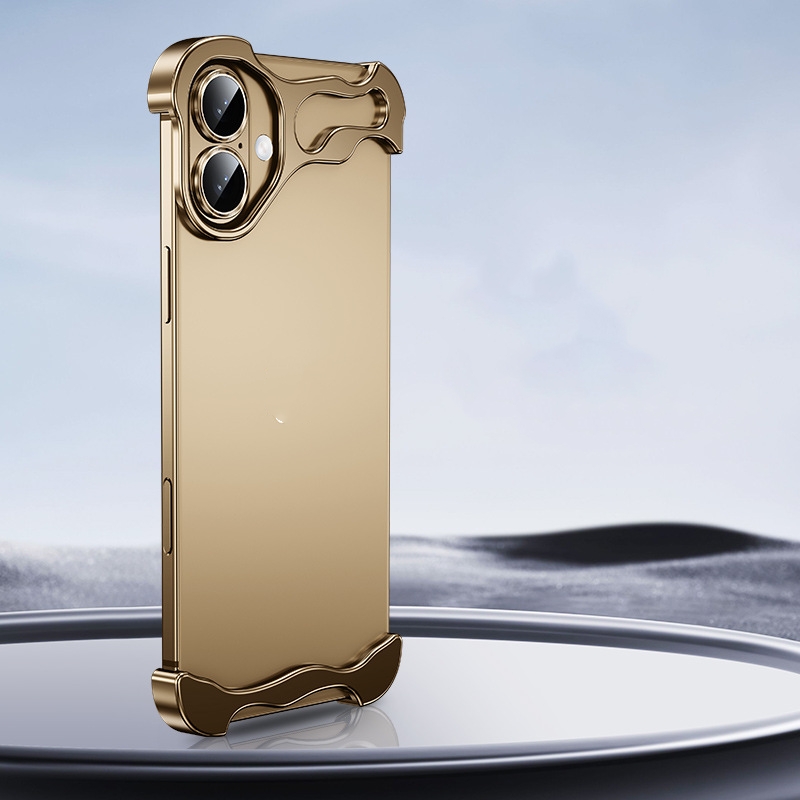
Zinc Alloy Compatible with 15romax Phone Cases for Enhanced Protection

Cute Xmas Santa Claus Elk Hat Pendant Flip Christmas Phone Case for iPhone 15 14 13 12 11 Pro Max – Silicone Protection Cover