Condensation inside tents can turn a cozy camping experience into a soggy ordeal, ruining your gear and dampening your spirits. Understanding the causes of this pesky phenomenon and learning how to prevent it can make all the difference for outdoor enthusiasts.
What Causes Condensation?
Condensation occurs when warm, moist air inside the tent meets the cooler surfaces of the tent fabric, leading to water droplets forming. This is particularly common during chilly nights when the temperature drops. As we breathe, sweat, or cook inside our tents, we inadvertently add moisture to the air, creating a perfect recipe for condensation.
Strategies to Minimize Condensation
But fear not! There are effective strategies to minimize this unwanted moisture:
1. Choose a Well-Ventilated Tent
First, choose a tent with proper ventilation. Look for models with mesh panels and adjustable vents. This allows for airflow, helping to regulate humidity levels. Well-ventilated tents not only reduce condensation but also enhance comfort, making your nights under the stars more enjoyable.
2. Select the Right Campsite
Selecting the right campsite is equally crucial. Consider the following tips:
- Avoid pitching your tent in low-lying areas where cold air settles, leading to increased moisture.
- Opt for elevated ground with natural windbreaks. This simple choice can drastically reduce your chances of waking up to a damp interior.
3. Use a Footprint or Ground Tarp
Furthermore, using a footprint or ground tarp can help. These protective layers prevent moisture from seeping up through the ground, keeping the interior of your tent drier.
4. Invest in Quality Gear
Investing in high-quality gear like waterproof tents and breathable fabrics can also make a significant difference. Look for tents specifically designed for wet conditions; they often feature advanced materials that repel water while allowing moisture to escape from within.
5. Adjust Your Camping Habits
Finally, consider your camping habits. Limit cooking inside your tent, and if possible, change out of damp clothing before entering. Simple practices like these can drastically reduce the moisture levels within your tent.
Conclusion
By understanding why tents get condensation and implementing these prevention strategies, you can ensure a more comfortable and enjoyable camping experience. Don’t let a little moisture dampen your adventure—gear up with the right tent, choose your campsite wisely, and embrace the great outdoors with confidence!
Related products
Storage Tent for Canopy Tents – Durable and Reliable Protection Solutions
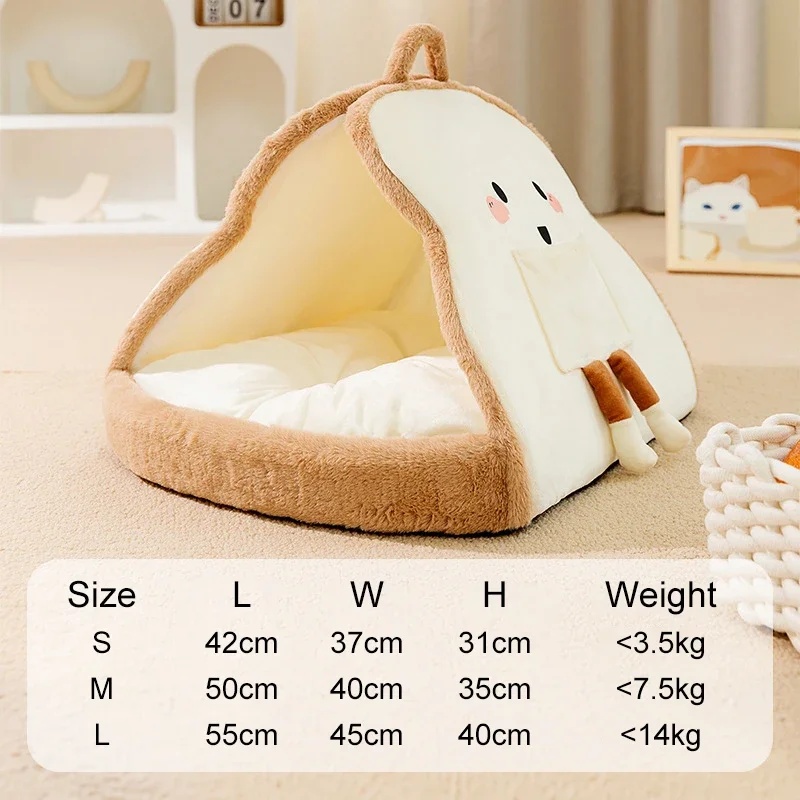
Cozy Winter Cat Tents – Warm Soft Nest for Cats & Kittens, Deep Sleeping Cave Bed, Ideal Pet House & Blanket Supplies
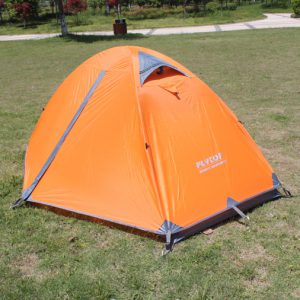
Ultra-Light Outdoor Double Camping Tents – Rainproof & Ideal for High Mountain Snowfields