Yoga mats can be the difference between a peaceful practice and a frustrating slip-and-slide experience. Understanding why your mat loses its grip is essential for a safe and enjoyable yoga session.
Causes of a Slippery Yoga Mat
Moisture
One of the primary culprits behind a slippery yoga mat is moisture. Whether it’s sweat from an intense session or humidity in the air, excess moisture can create a slick surface that makes poses precarious. This is particularly common with mats made from materials that don’t absorb moisture well. To combat this, consider:
- Investing in a mat with moisture-wicking properties.
- Using a yoga towel on top for added grip.
Material of the Mat
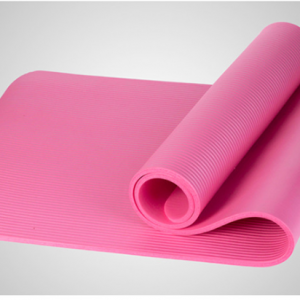
Another factor contributing to slipperiness is the material of the mat itself. PVC mats, for instance, can become slick over time, especially if they are not cleaned regularly. While these mats are often budget-friendly, they may not provide the traction you need as you advance in your practice. Opting for a high-quality, eco-friendly mat made from natural rubber or TPE can significantly enhance grip and durability, allowing you to focus on your poses rather than your footing.
Age of Your Yoga Mat
The age of your yoga mat can also play a significant role in its performance. Over time, even the best mats can wear down, leading to a loss of grip. If your mat is showing signs of wear and tear, it might be time for an upgrade. Investing in a new mat can rejuvenate your practice and give you the confidence to try more challenging poses.
Improper Cleaning
Additionally, improper cleaning can leave residues that make mats slippery. Using harsh detergents or not rinsing properly can lead to build-up on the surface. A simple solution is to clean your mat regularly with a gentle, natural cleaner. This not only maintains grip but also extends the life of your mat.
Practice Surface
Lastly, consider the surface on which you practice. A smooth floor can exacerbate the slipperiness of your mat. Placing your mat on a textured surface or using a yoga mat grip pad can provide additional traction, keeping you grounded during your practice.
Conclusion
In summary, understanding why your yoga mat gets slippery is crucial for maintaining a safe and enjoyable practice. By addressing:
- Moisture
- Material choice
- Mat age
- Cleaning methods
- Practice surface
You can ensure that your yoga experience is both safe and fulfilling. Don’t let a slippery mat hold you back; invest in quality, maintain it well, and embrace your practice with confidence!