Stripped screws can turn even the simplest DIY project into a frustrating ordeal. Fortunately, understanding the right tools and techniques can save you time, money, and a whole lot of headaches. Let’s dive into the world of screw management and explore how to keep your projects running smoothly.
Investing in Quality Tools
First and foremost, investing in high-quality screwdrivers is essential. A precision screwdriver set, featuring various sizes and types, can make all the difference. Look for tools with magnetic tips; they securely hold screws in place, reducing the risk of slippage that often leads to stripping. Brands like Wera or Klein Tools offer excellent options that not only fit perfectly but also provide the grip you need to turn screws with ease.
Choosing the Right Screw Type
Before you even touch a screw, consider the type of screw you’re using:
- Self-tapping screws are designed to create their own holes, which can help prevent stripping in softer materials.
- For harder materials, pre-drilling pilot holes is a game-changer. It reduces friction and allows for a smoother insertion, protecting both the screw and the material from damage.
Driving Screws Effectively
The technique you use while driving screws is equally important. Apply consistent pressure while turning the screwdriver, ensuring that you maintain a straight angle. If you notice resistance, stop and assess the situation; forcing a screw can lead to stripping. If you’re dealing with a stubborn screw, using a bit of lubricant can ease the process. A drop of oil or even soap can help the screw glide in more smoothly.
Using Screw Extractors
When working with screws that are prone to stripping, consider using screw extractors. These specialized tools can save you when things go wrong. If a screw does strip, an extractor can grip the damaged head and allow you to remove it without causing further damage to the material. Investing in a quality screw extractor set can be a lifesaver for any handyman or DIY enthusiast.
Enhancing Security with Adhesives
Moreover, consider using thread-locking adhesives for added security. These products bond screws to their materials, reducing the chances of loosening over time. They’re especially useful in high-vibration environments, like automotive applications.
Proper Storage Solutions
Finally, proper storage of your screws and tools is crucial. Organizing your hardware can help you find the right screw quickly, preventing the temptation to use the wrong one, which often leads to stripping. Use labeled containers or magnetic strips to keep everything in order.
Conclusion
By equipping yourself with the right tools and employing effective techniques, you can avoid the hassle of stripped screws and enjoy a smoother, more successful project experience. Whether you’re a seasoned pro or just starting, these strategies will enhance your craftsmanship and leave you with projects you can be proud of. Say goodbye to stripped screws and hello to flawless finishes!
Related products
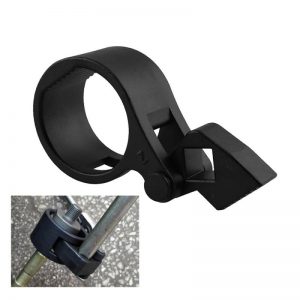
Car Truck Inner Tie Rod Wrench with Directional Ball Screw – Precision Tool

Heavy Duty Outdoor Storage Shed 8 X 10 FT – Large Metal Tool Shed with Sliding Doors and Air Vent for Patio & Lawn Storage of Bikes, Tools, and Lawnmowers – Grey
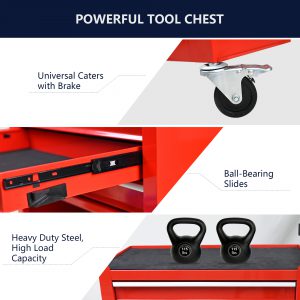
Durable Metal Tool Storage Box – Organize Your Tools Efficiently